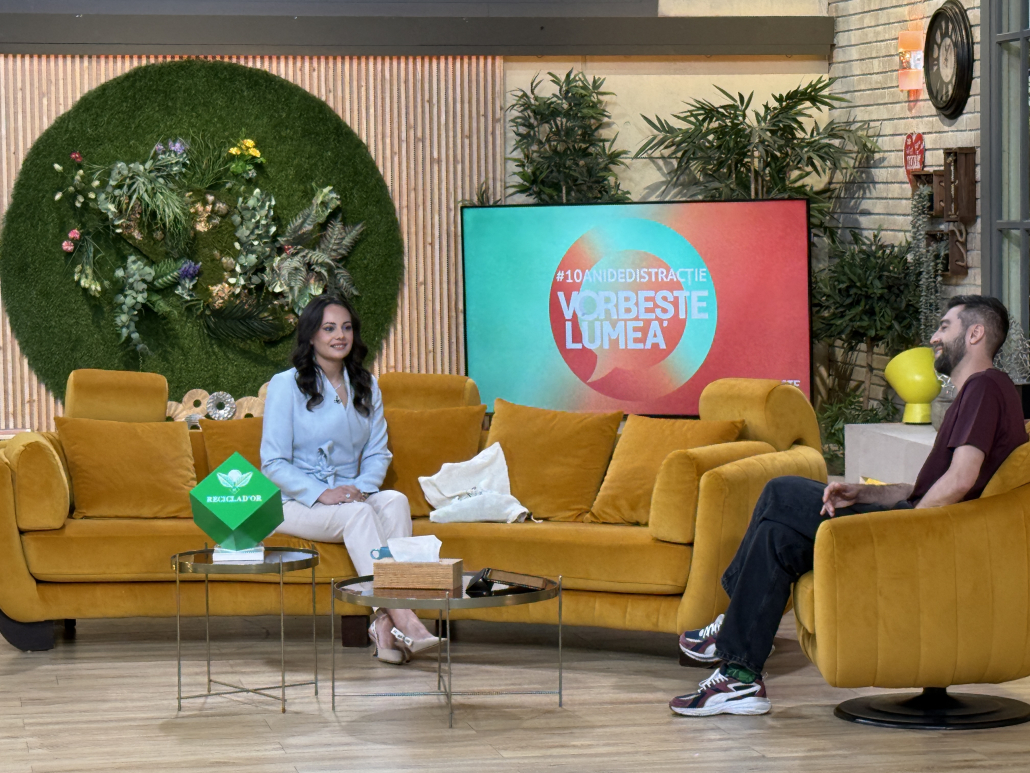
What Happens to Packaging After We Recycle It? Denise Deleanu, COO Reciclad’OR, la „Vorbește Lumea”, PRO TV
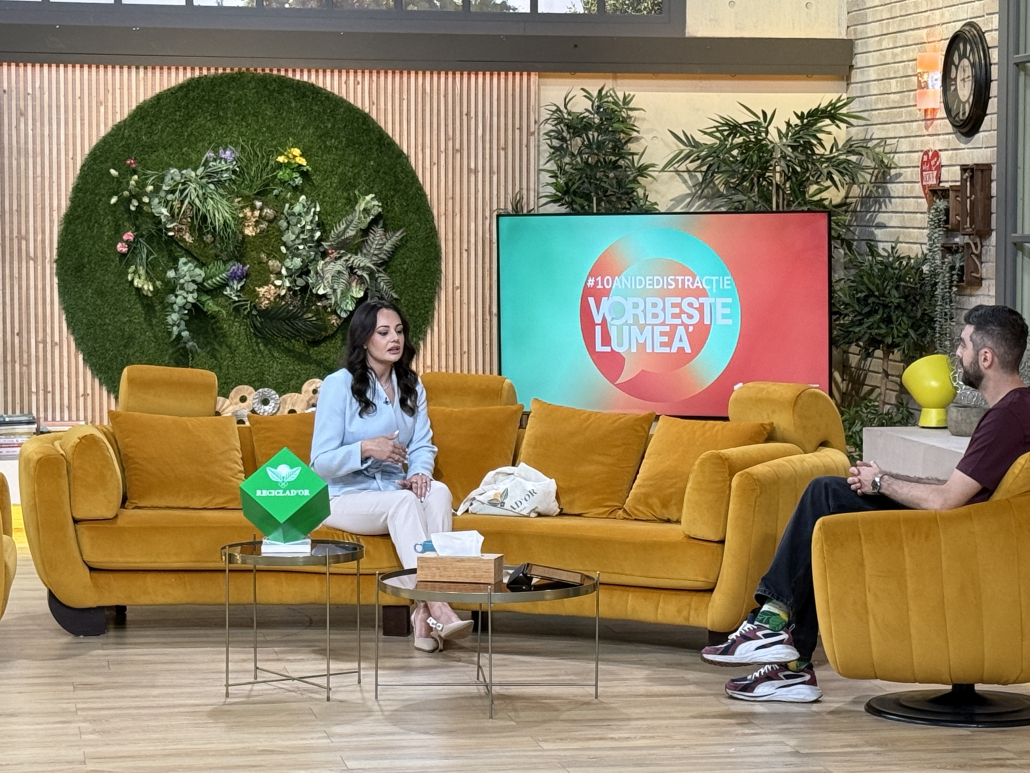
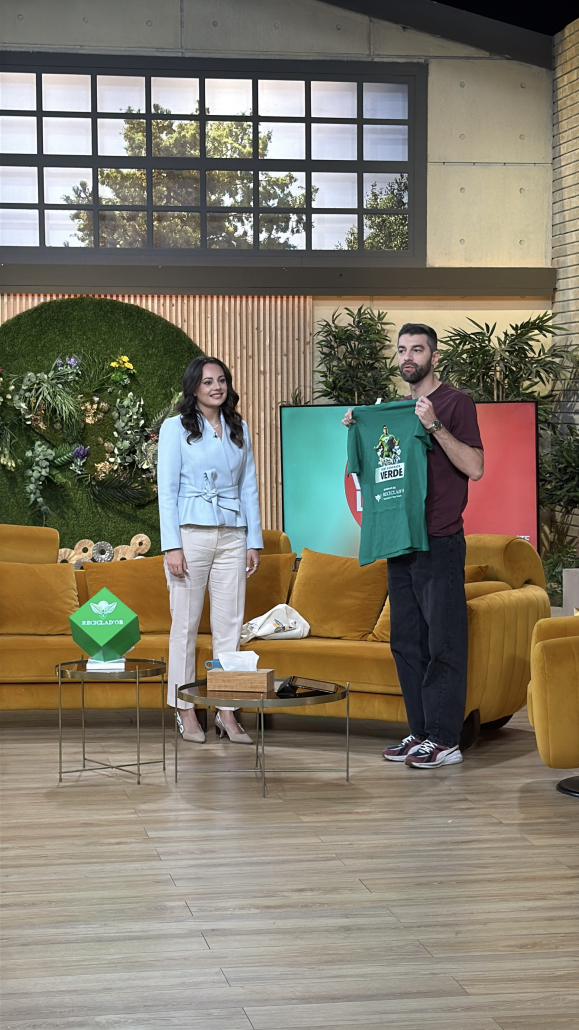
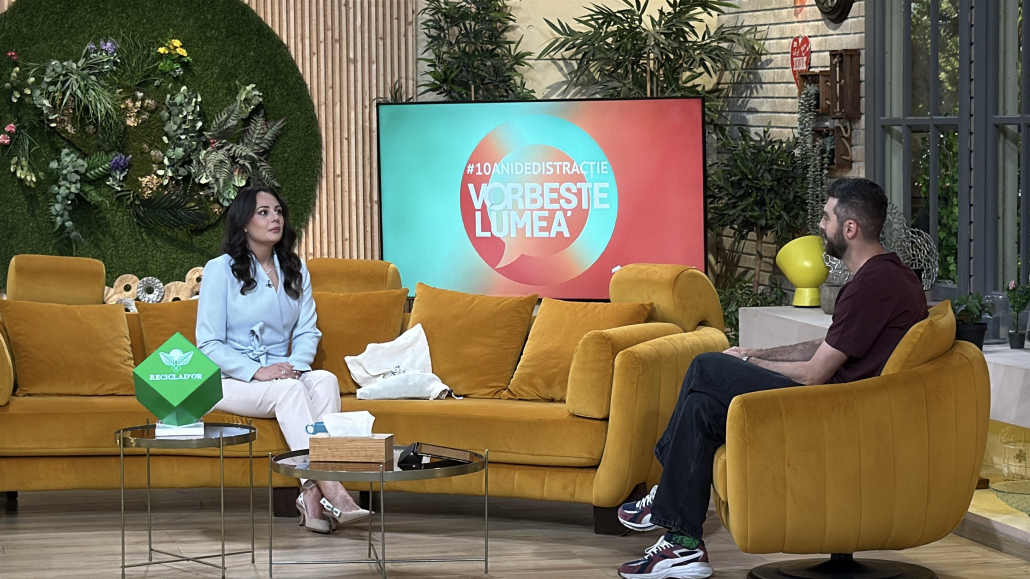
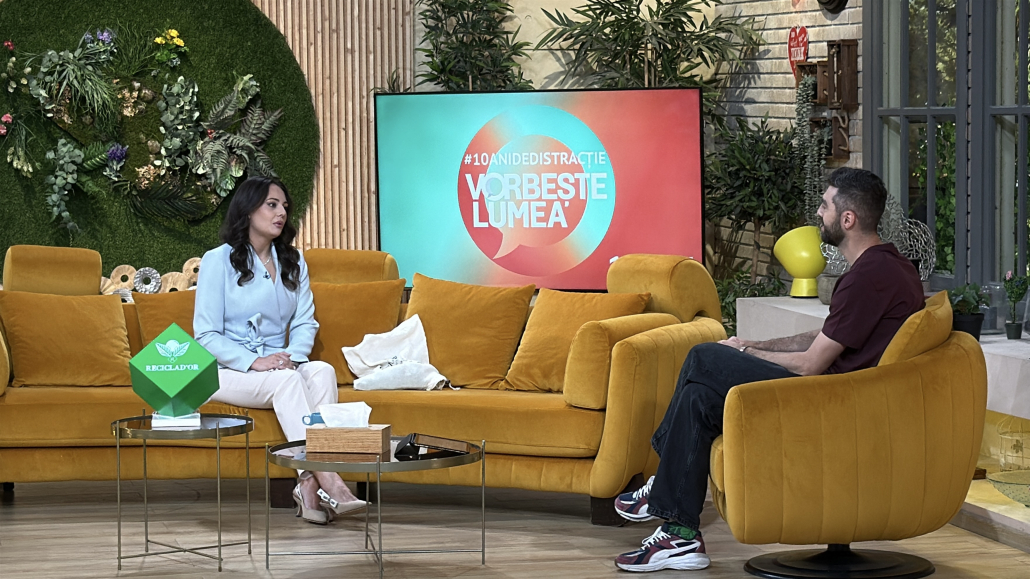
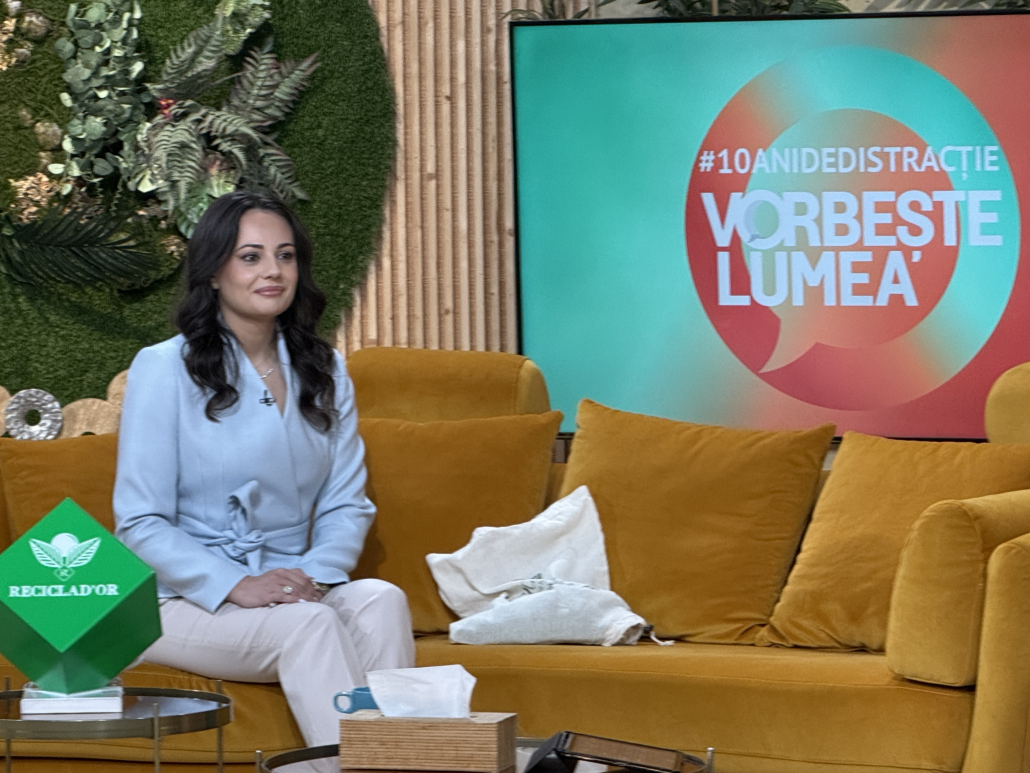
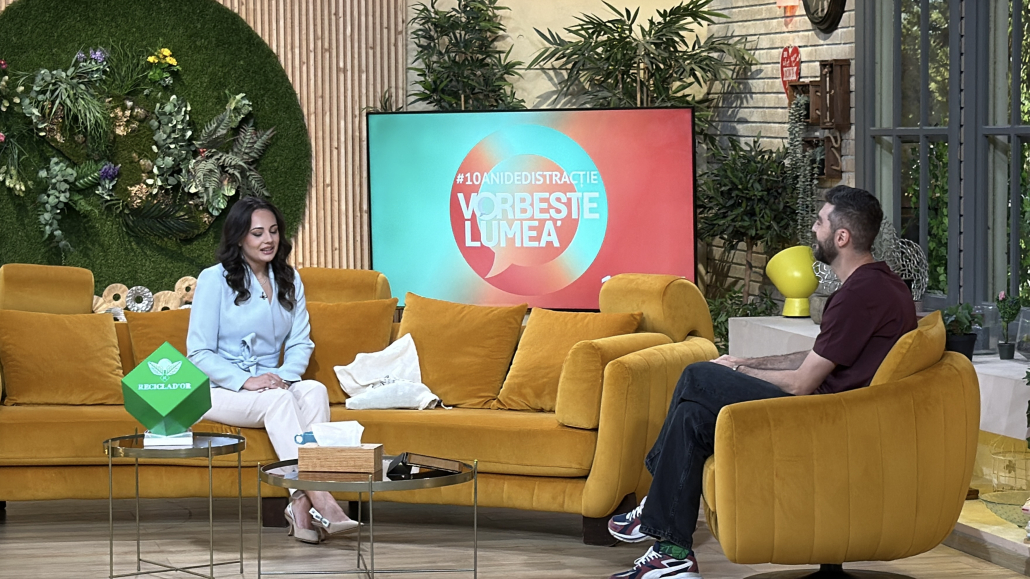
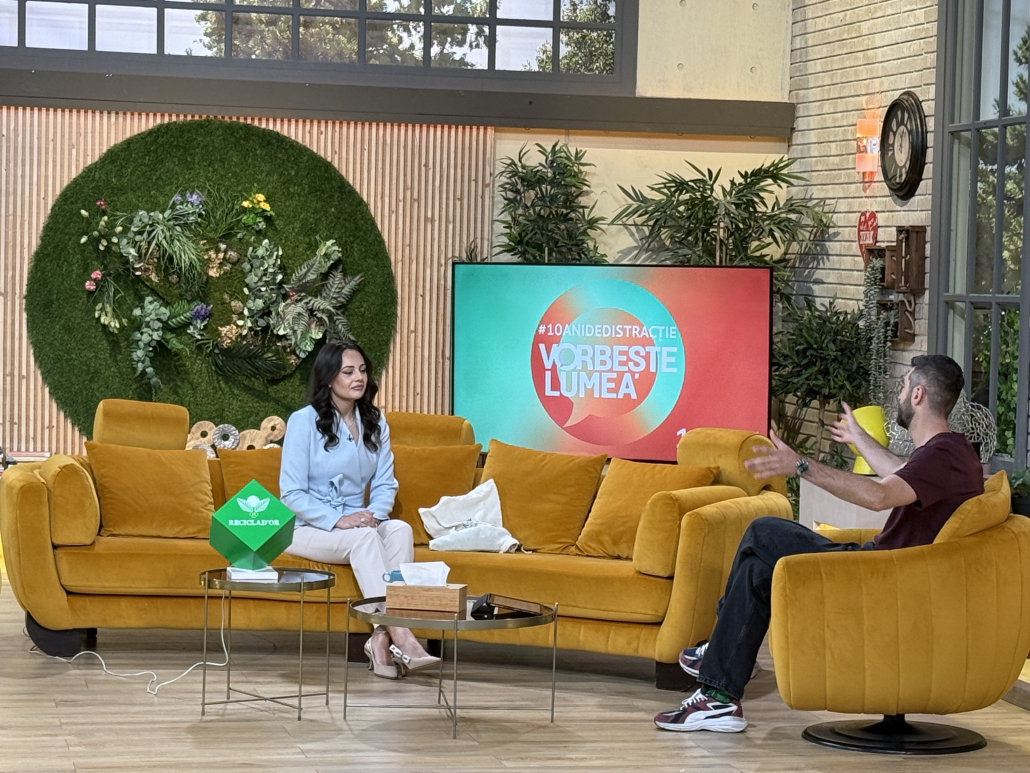
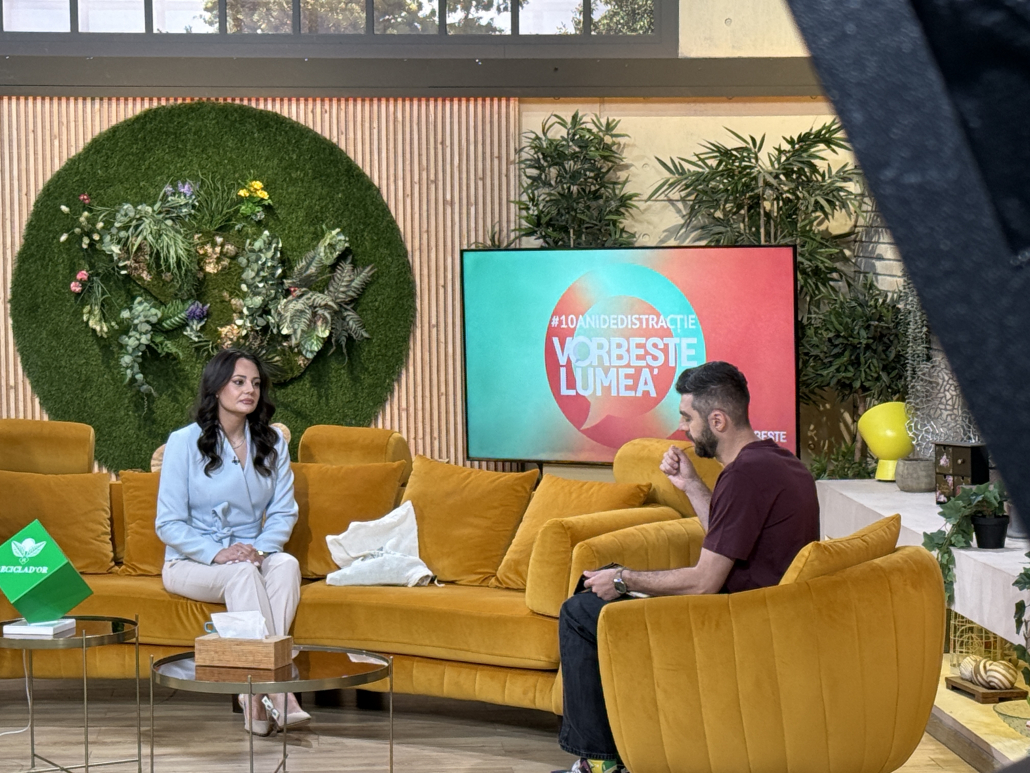
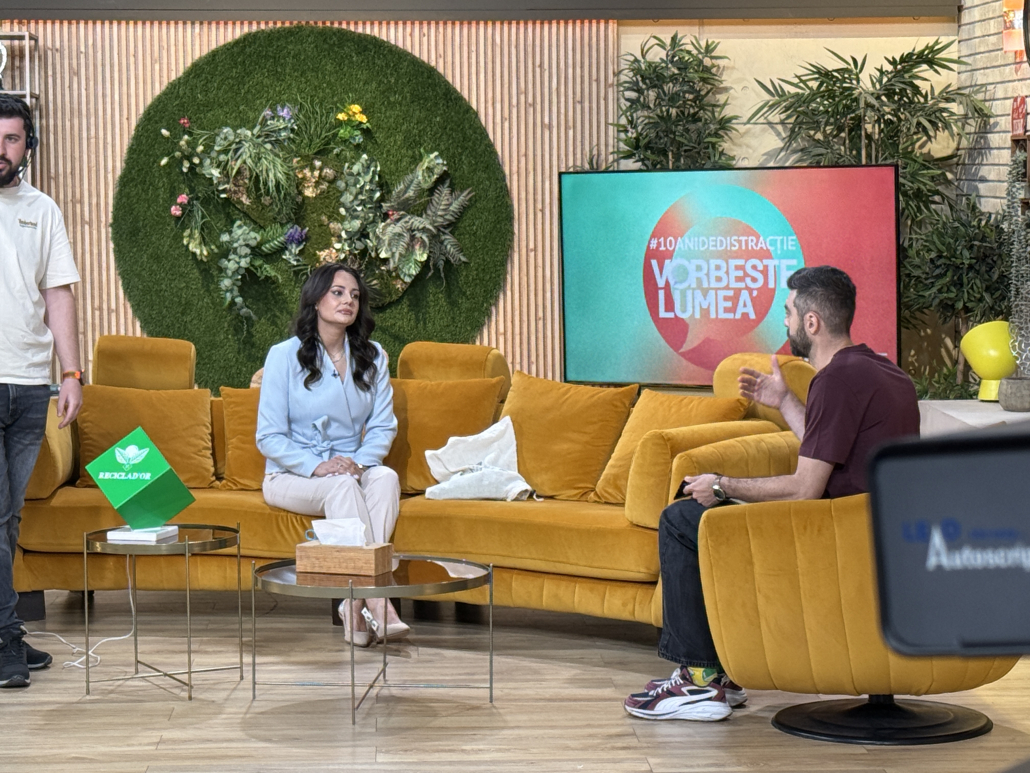
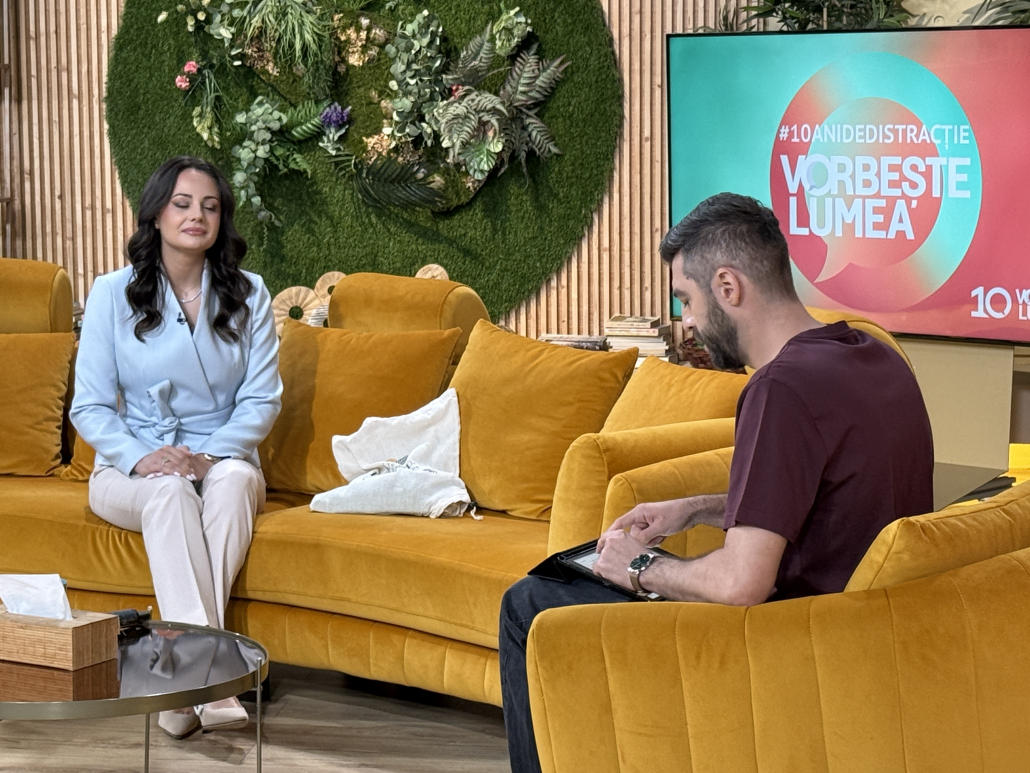
On World Environment Day — June 5 — Denise Deleanu, COO Reciclad’OR, was invited on PRO TV’s “Vorbește Lumea”. In a direct conversation with Shurubel, she explained what actually happens to packaging after we recycle it, how the system works in Romania, and what each of us can do to recycle better.
Below is a summary of her intervention — and clear answers to the questions many people have, but rarely receive.
“They mix everything anyway” — the most damaging recycling myth
One of the topics discussed was the widespread belief that selectively collected waste ends up mixed together at the landfill. This myth is one of the main reasons people give up on recycling: “If they mix it anyway, why bother?”
The reality is different. Romania has a functional infrastructure for collecting, transporting, sorting, and recovering packaging waste. Selectively collected packaging is not mixed with household waste — it follows a separate route, from dedicated collection trucks to sorting stations and then to recyclers.
The myth persists for several reasons: lack of visibility into the process, isolated negative incidents that get generalized, and a general mistrust in the system. But giving up on recycling because of a myth means removing tons of valuable materials from the circular economy every single day.
What actually happens to your packaging
Denise Deleanu explained step by step the journey of a package after collection:
- Separate collection — dedicated trucks, different from household waste trucks, pick up packaging from bins or yellow bags.
- Sorting station — mixed packaging (plastic, paper, metal, glass) is separated by material type using a combination of technology and manual sorting.
- Baling — sorted materials are compressed into compact bales and prepared for transport.
- Recycling — the bales are sent to recycling facilities, where they become secondary raw materials: recycled plastic granules, paper pulp, aluminum ingots, glass cullet.
- Second life — the recycled material re-enters production. Today’s PET bottle can become a new bottle, a piece of clothing, or an automotive component within months.
Common mistakes we make at home — and how to fix them
A key part of the discussion focused on frequent household mistakes. Good intentions aren’t enough if packaging ends up contaminated or in the wrong fraction.
Common mistakes:
- Dirty packaging — no need for hot water, but containers with large food residues contaminate the entire batch.
- Mixed materials — a yogurt cup with the plastic spoon inside, a cardboard box with the plastic window still attached: they must be separated.
- Plastic bags inside the plastic bin — the bag itself is recyclable, but not as a container for other packaging.
- Receipts and thermal paper in the paper bin — thermal paper is not recyclable; it goes to household waste.
- Crushed bottles without caps — the cap is valuable and recyclable; keep it on the bottle.
Simple rule: empty, relatively clean, in the correct fraction.
How the OIREP system works in Romania
Denise also explained the mechanism behind the entire system: Extended Producer Responsibility (EPR), implemented through OIREPs.
Under European law, transposed into Romanian legislation, any company placing packaging on the market — from FMCG producers to importers — is responsible for what happens to that packaging at the end of its life. In practice, companies transfer this responsibility to an authorized OIREP, which manages the entire chain: contracts with sanitation operators, financing sorting and recycling, and reporting to authorities.
Why education matters — not just infrastructure
A central message from the PRO TV interview was that infrastructure exists, but it is not enough without correct behavior. Romania has invested in sorting stations, collection networks, and recycling capacity. But the efficiency of this infrastructure depends directly on the quality of the material entering it.
A contaminated or incorrectly sorted batch reduces the quality and value of the resulting secondary raw material. Effective recycling is not only a system-level effort — it is an individual effort, in every household, every day.
This is why education for proper recycling is part of Reciclad’OR’s mission — not as a communication obligation, but as a functional requirement of the system we manage.
Full interview — video
Watch the full intervention of Denise Deleanu on “Vorbește Lumea”, PRO TV:
Reciclad’OR is one of the largest OIREPs in Romania, managing extended producer responsibility for packaging. We connect producers with the entire chain of collection, sorting, and recovery — for a real circular economy.