Reciclad’OR at the CCIFER Green Transition & HR Working Group: what committed sustainability truly means
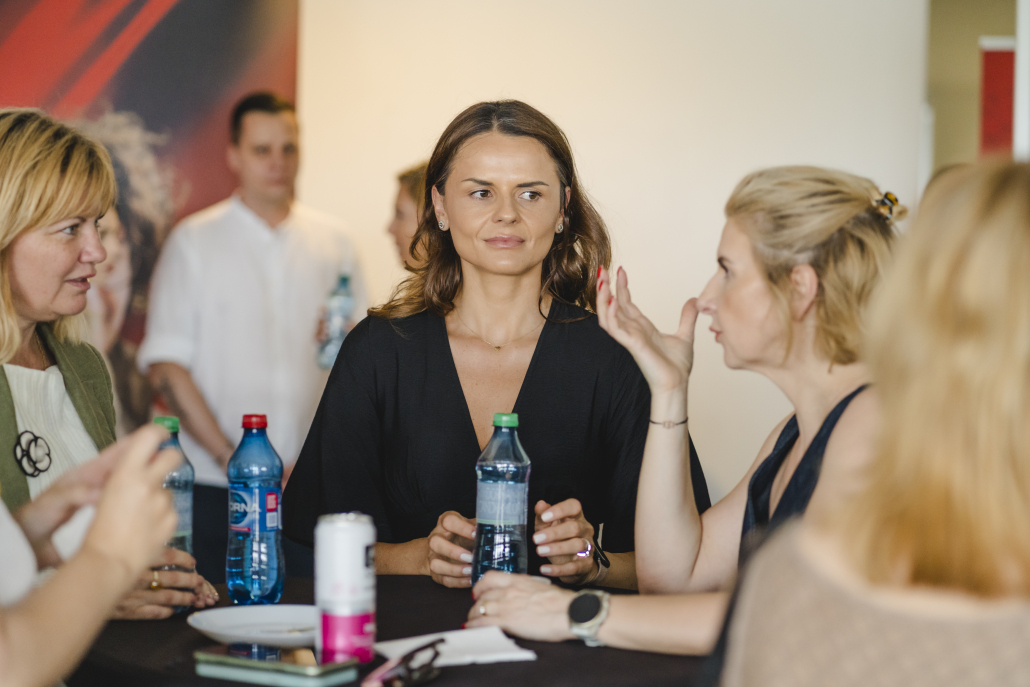
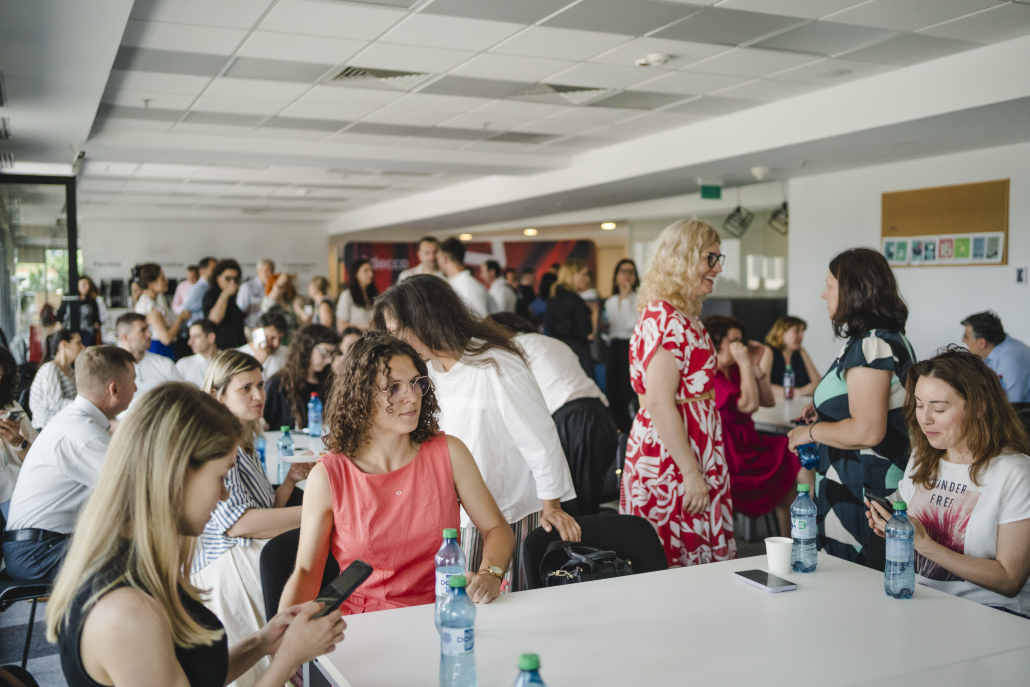
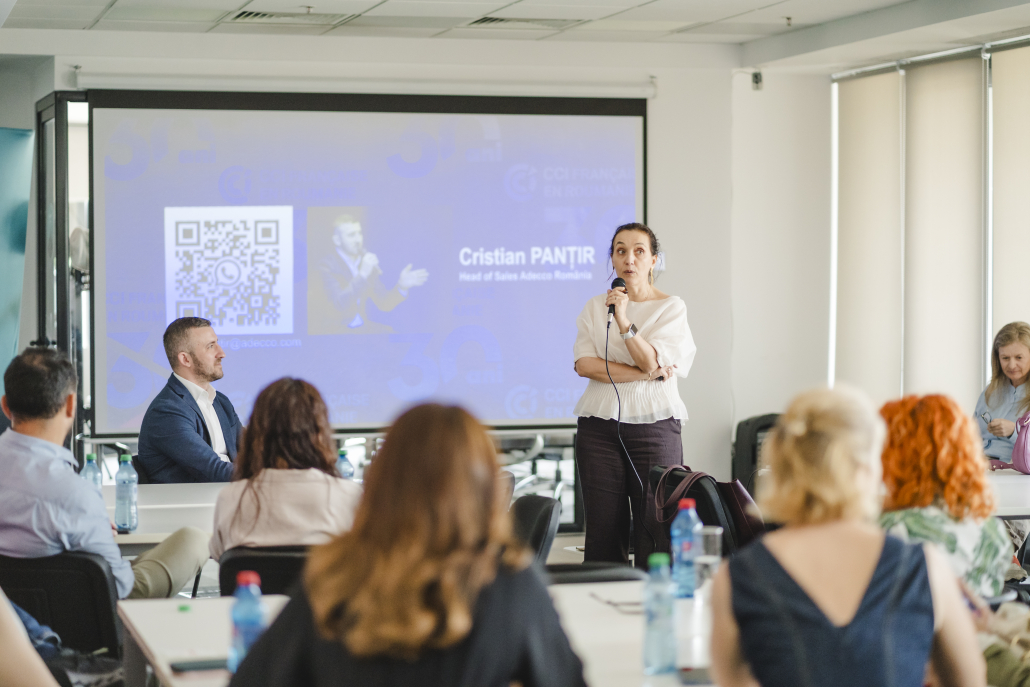
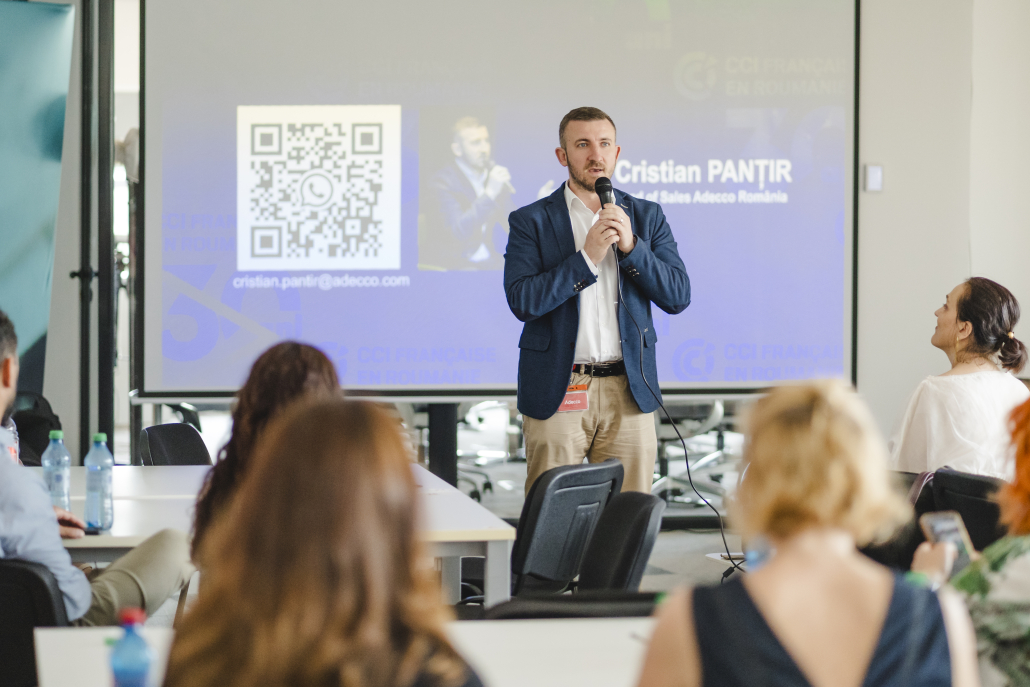
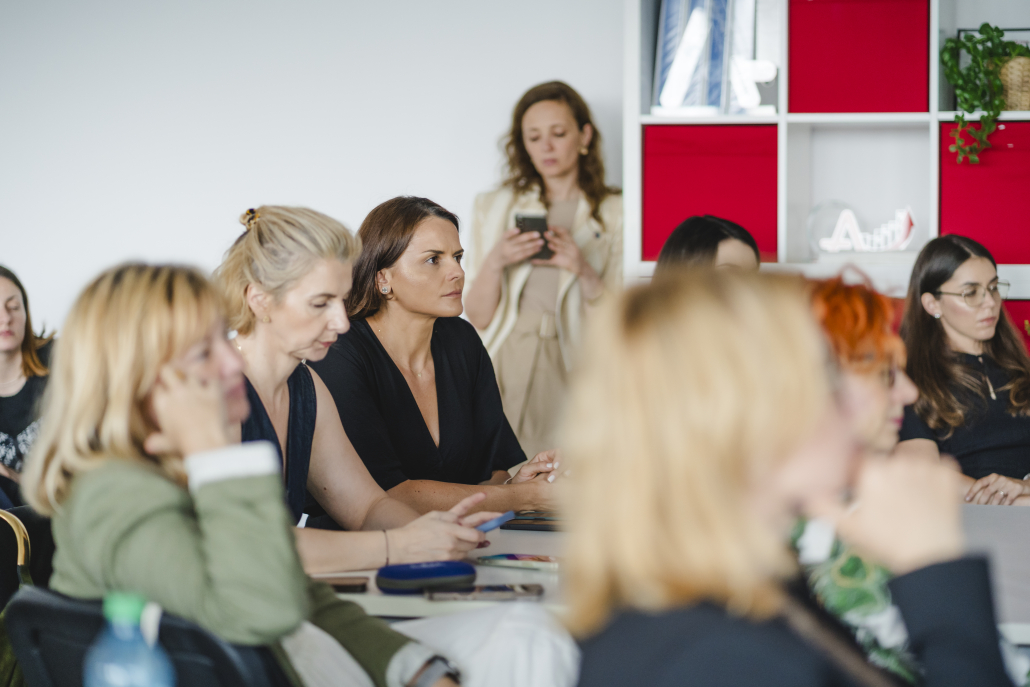
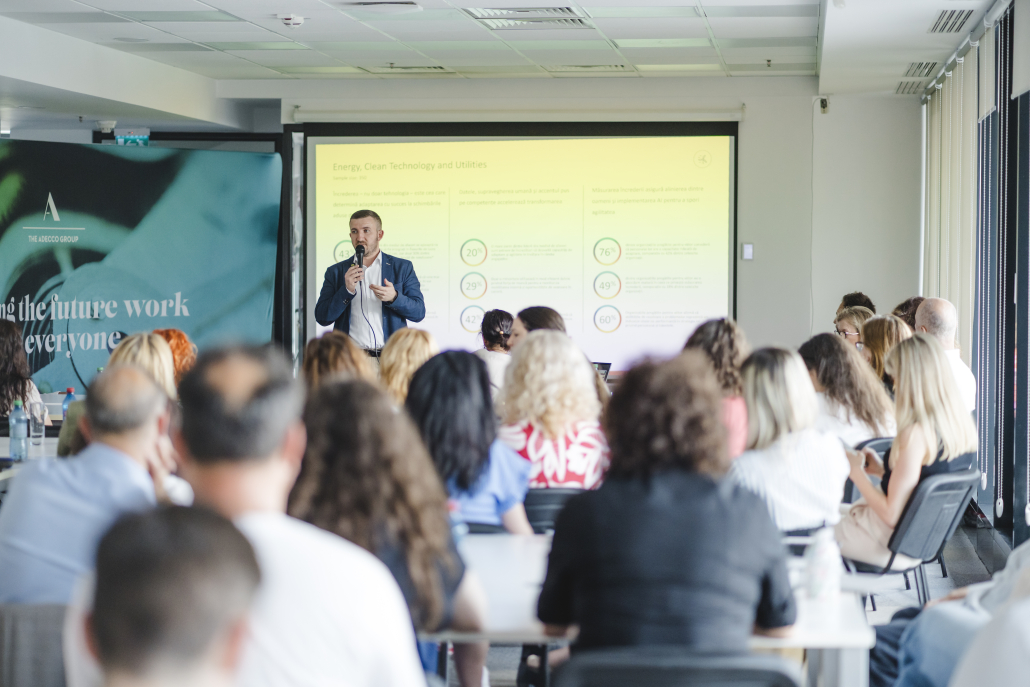
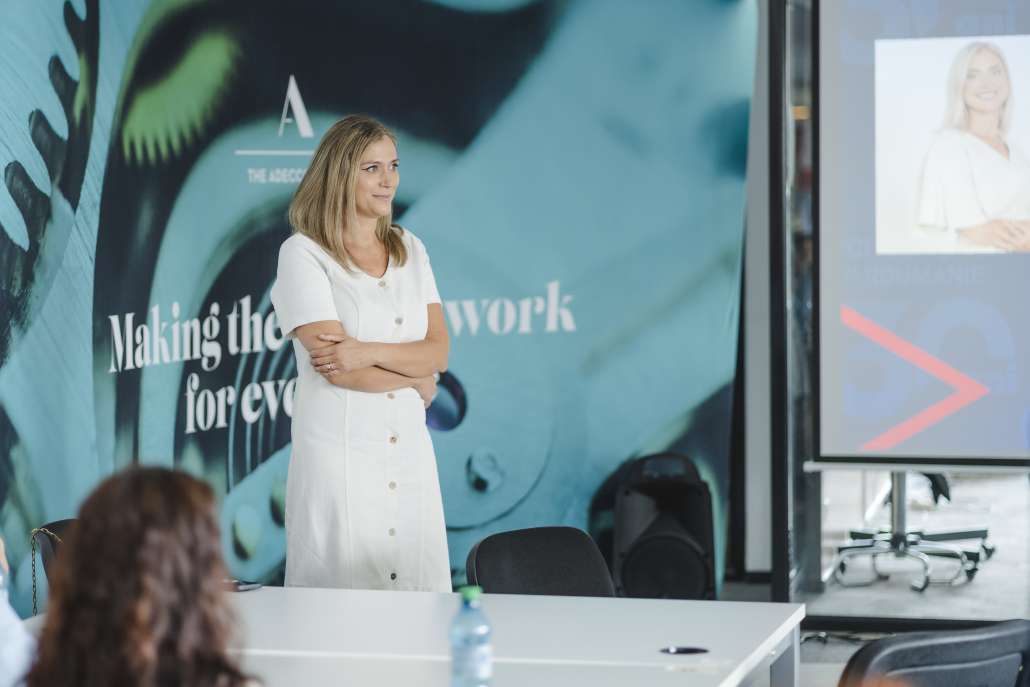
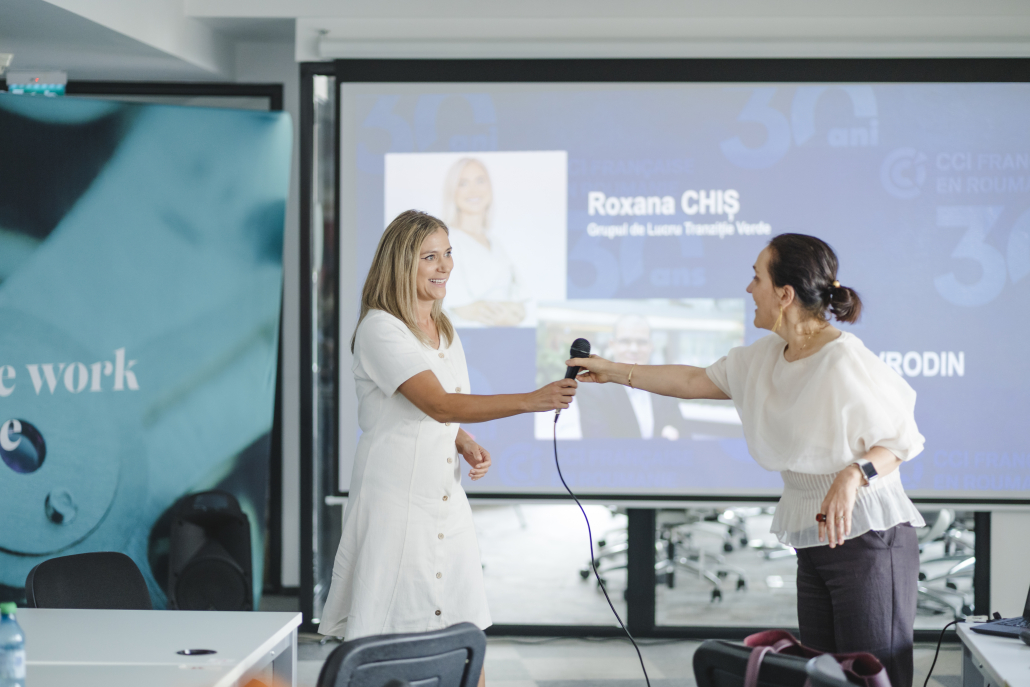
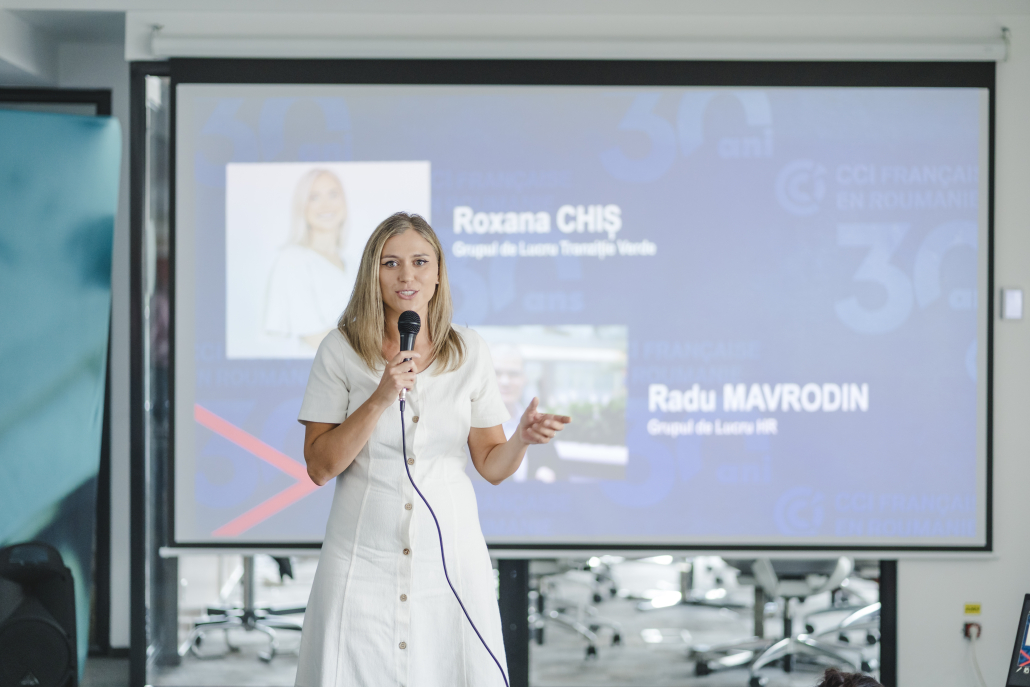
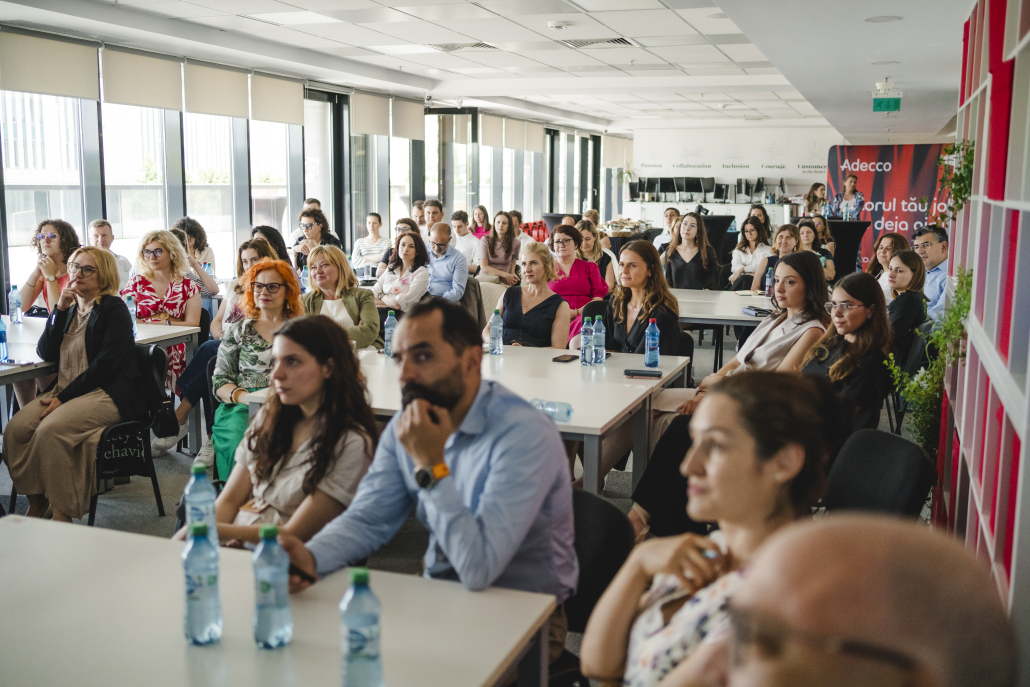
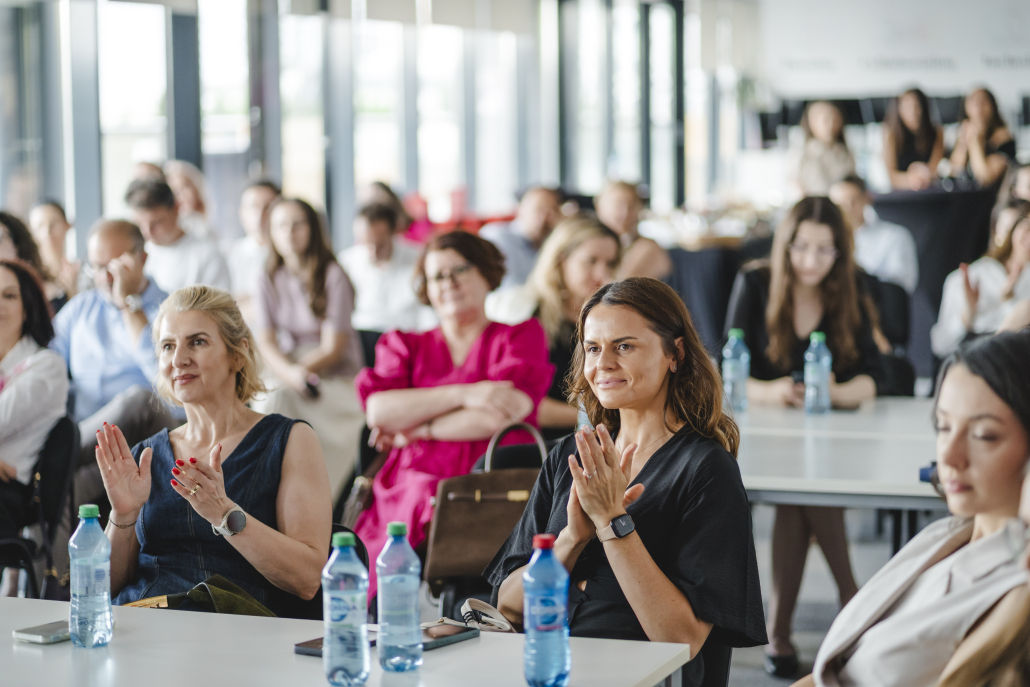
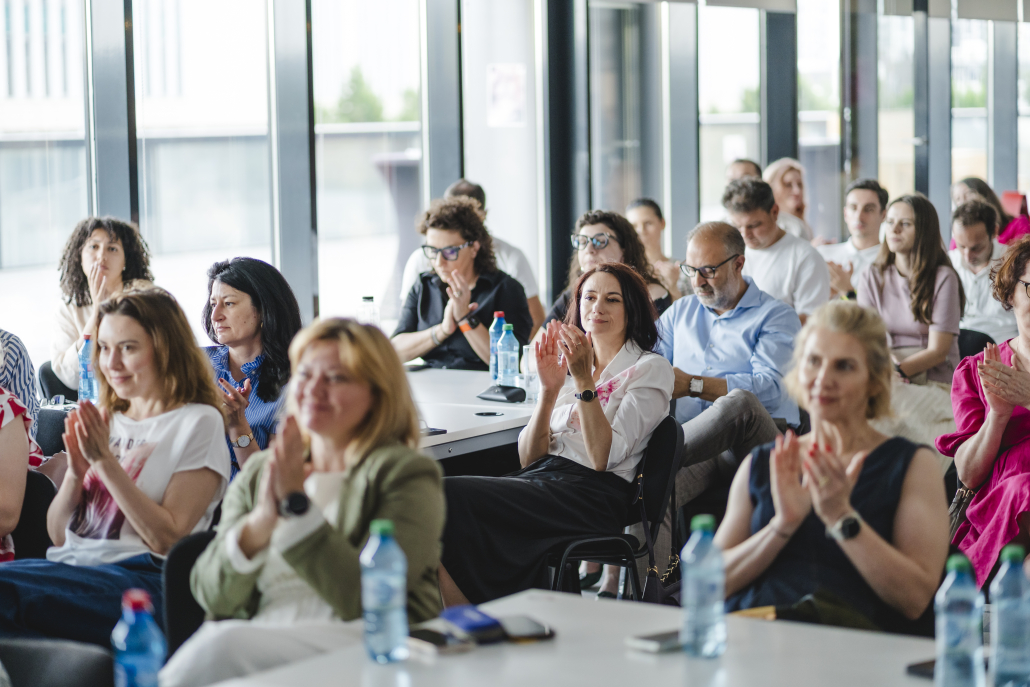
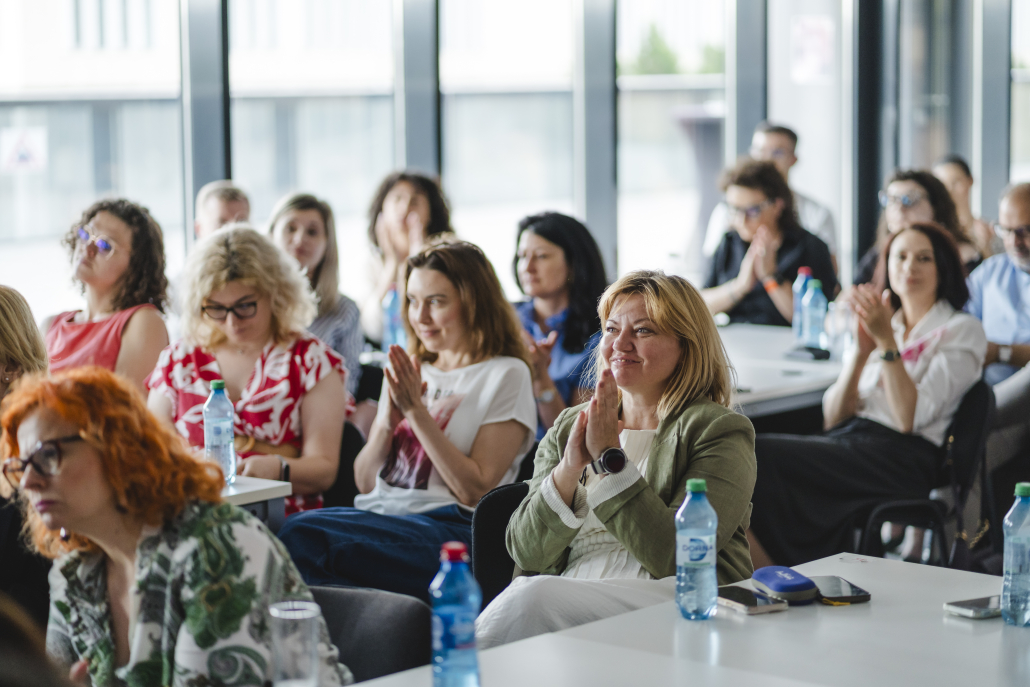
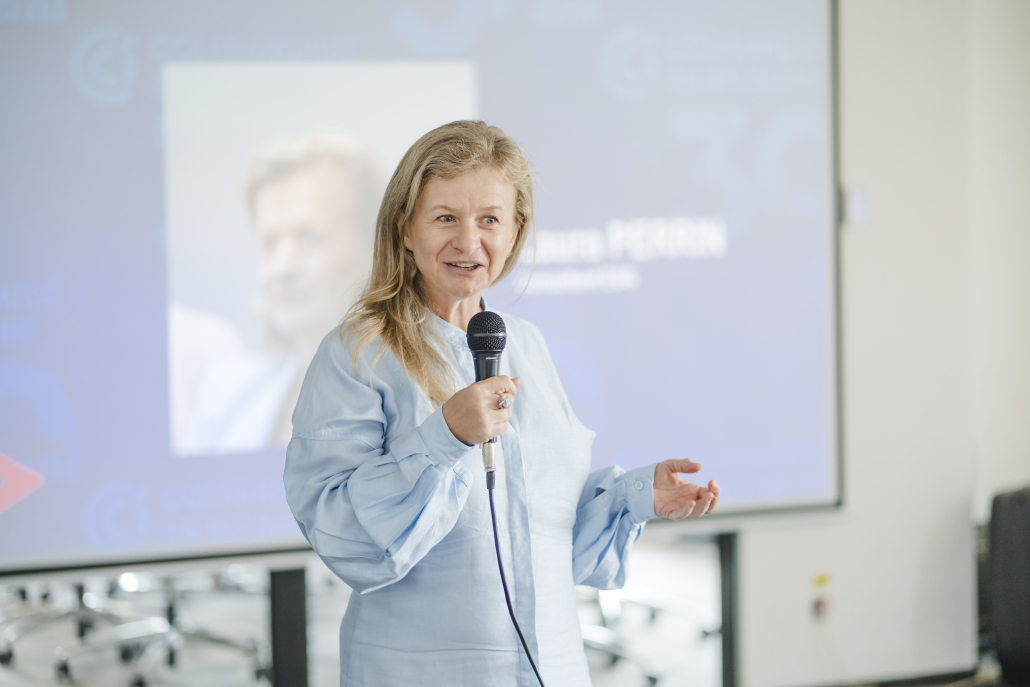
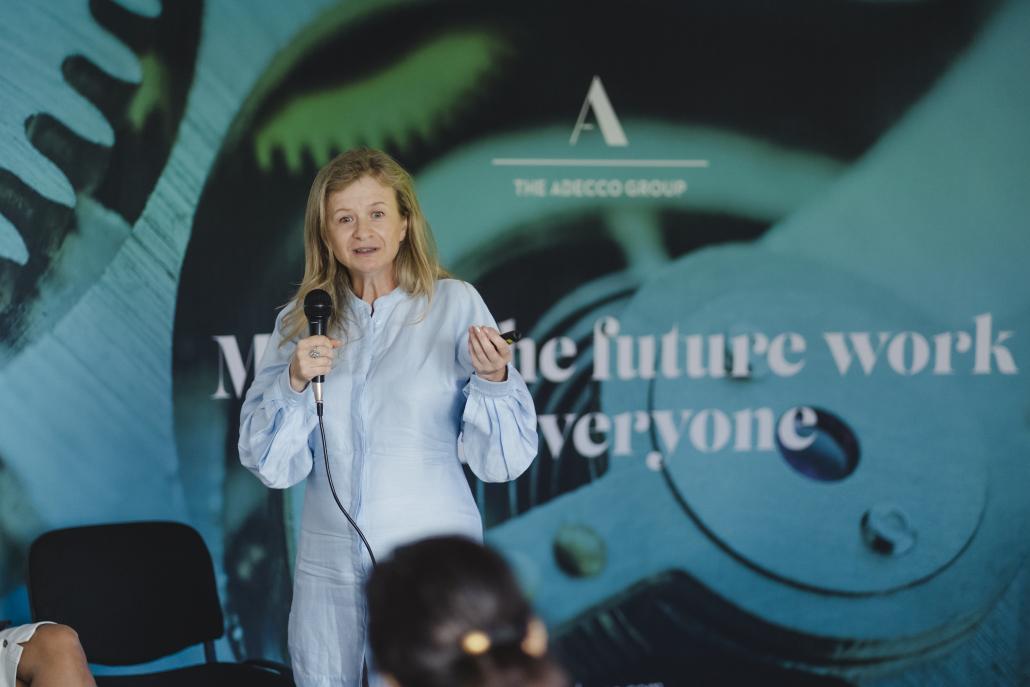
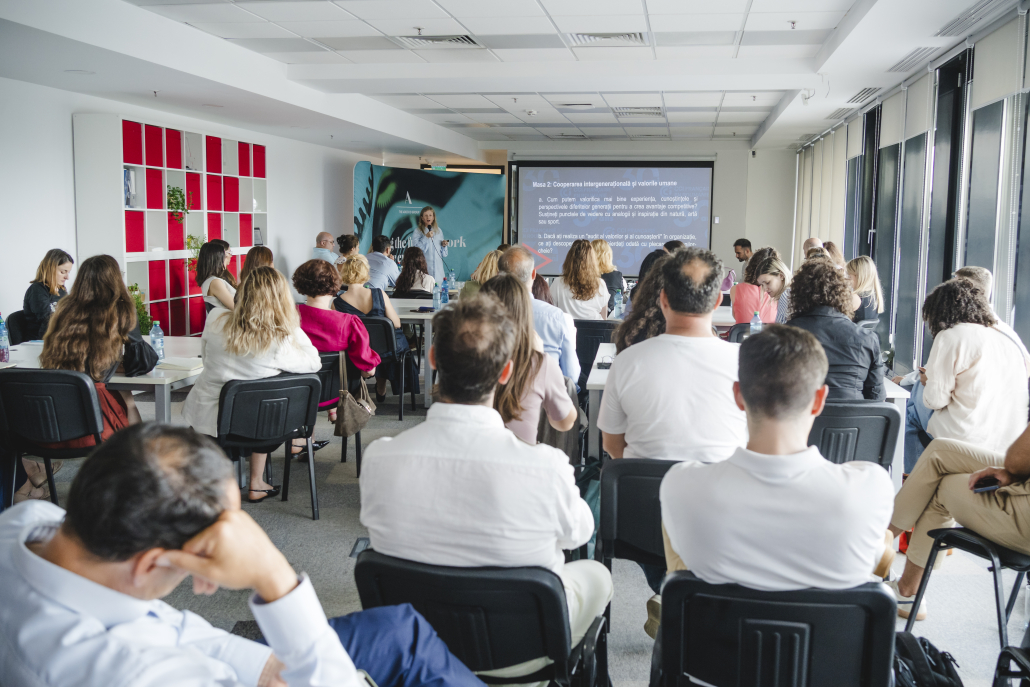
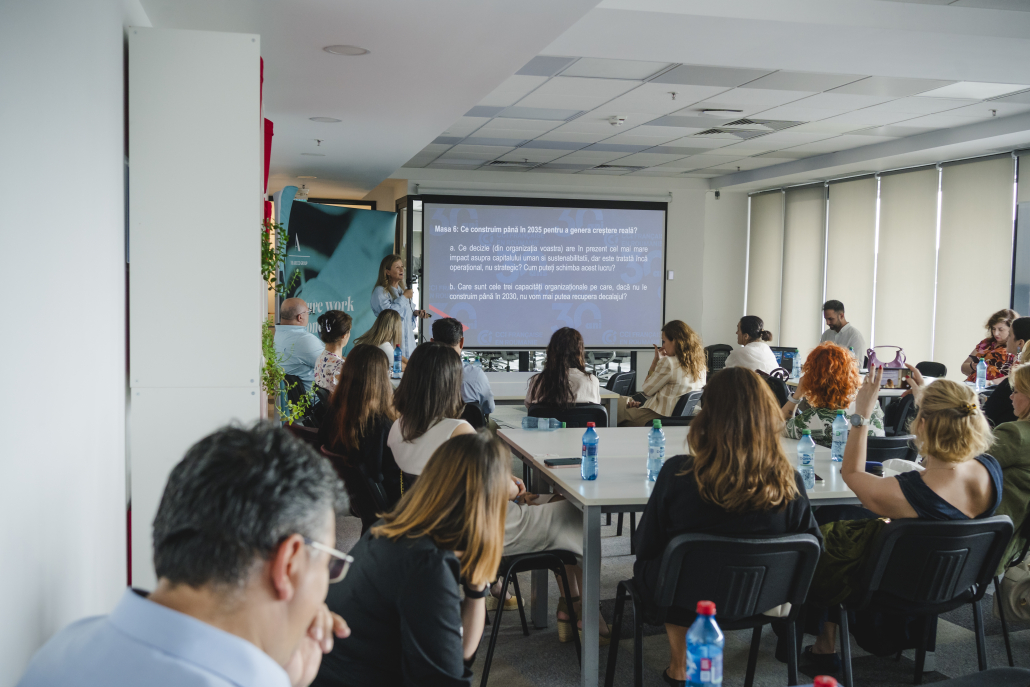
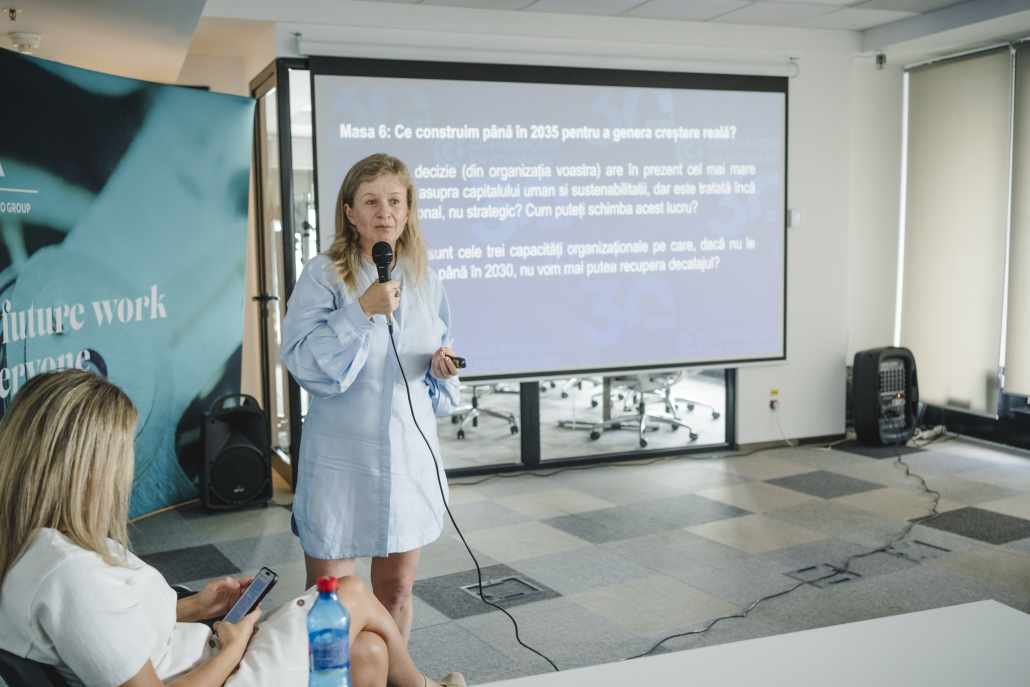
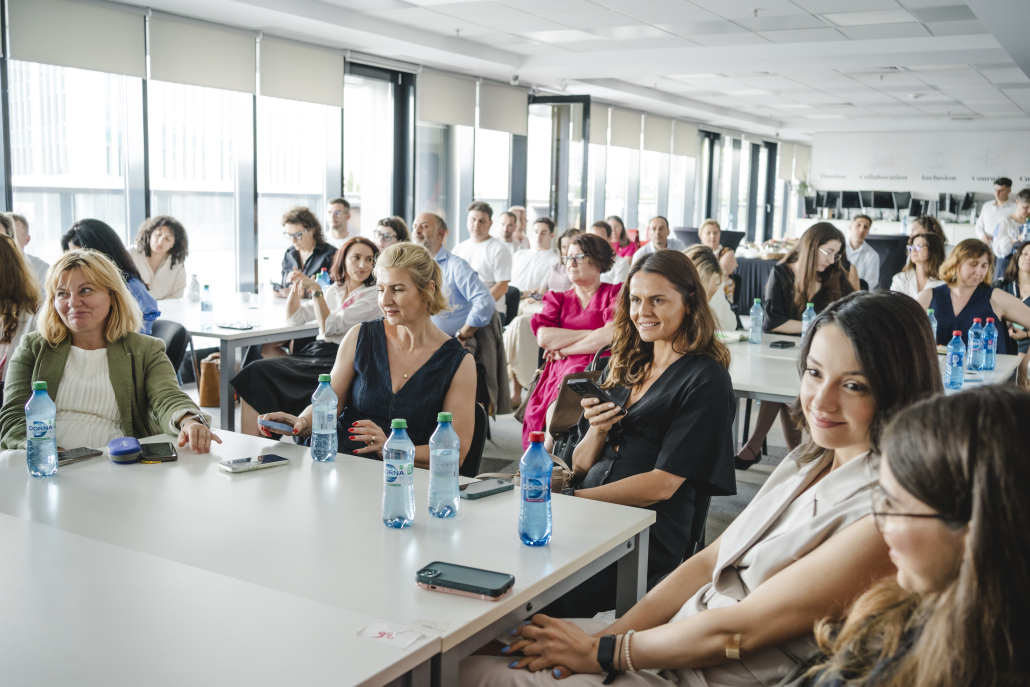
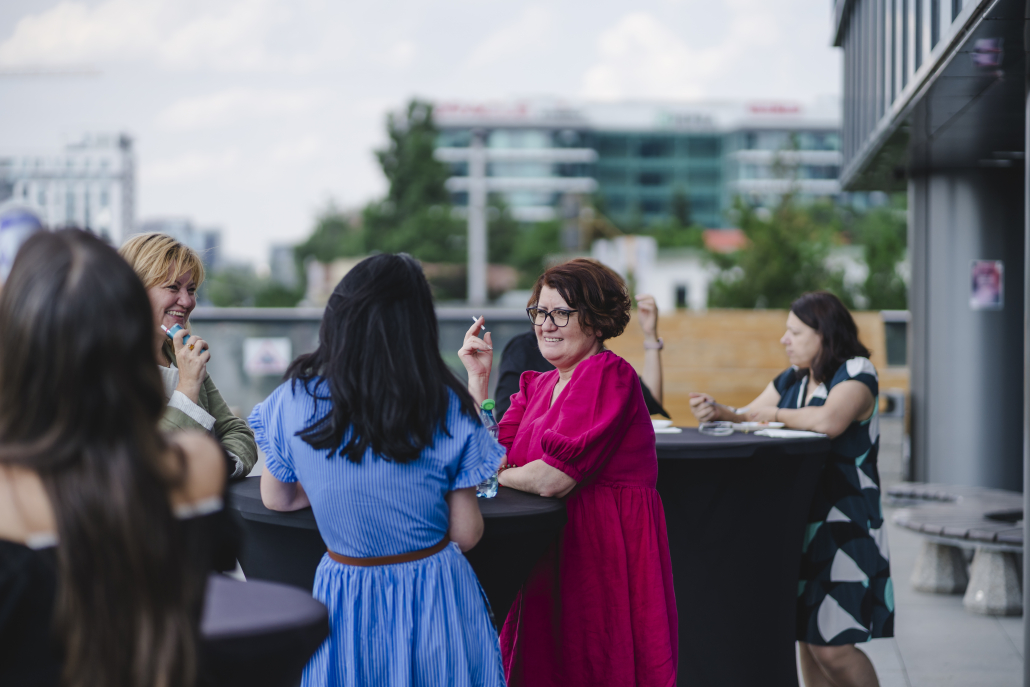
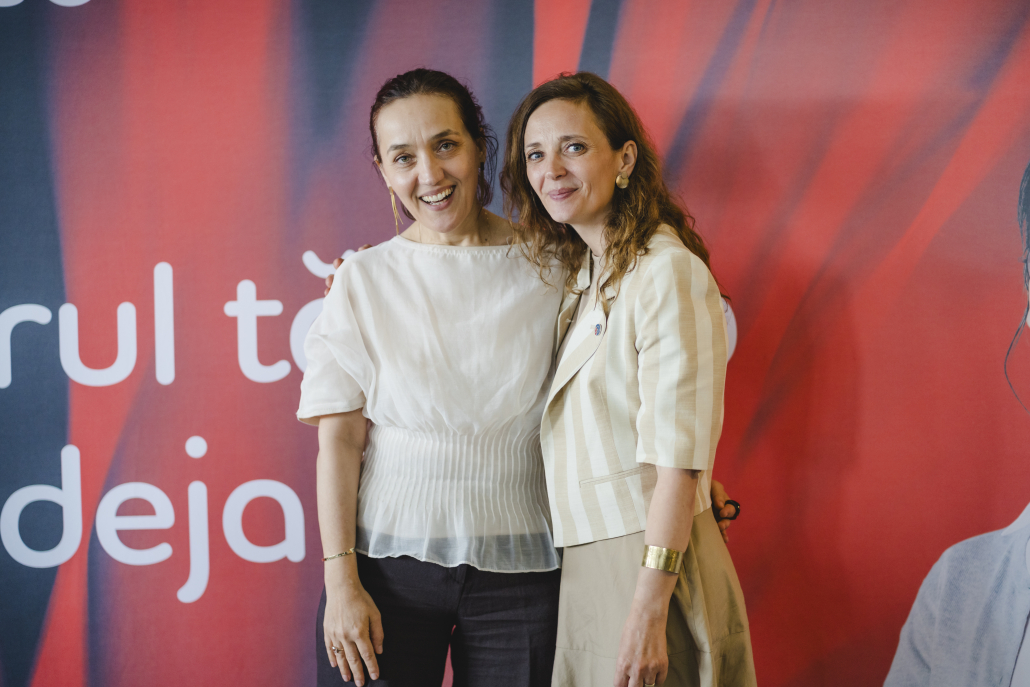
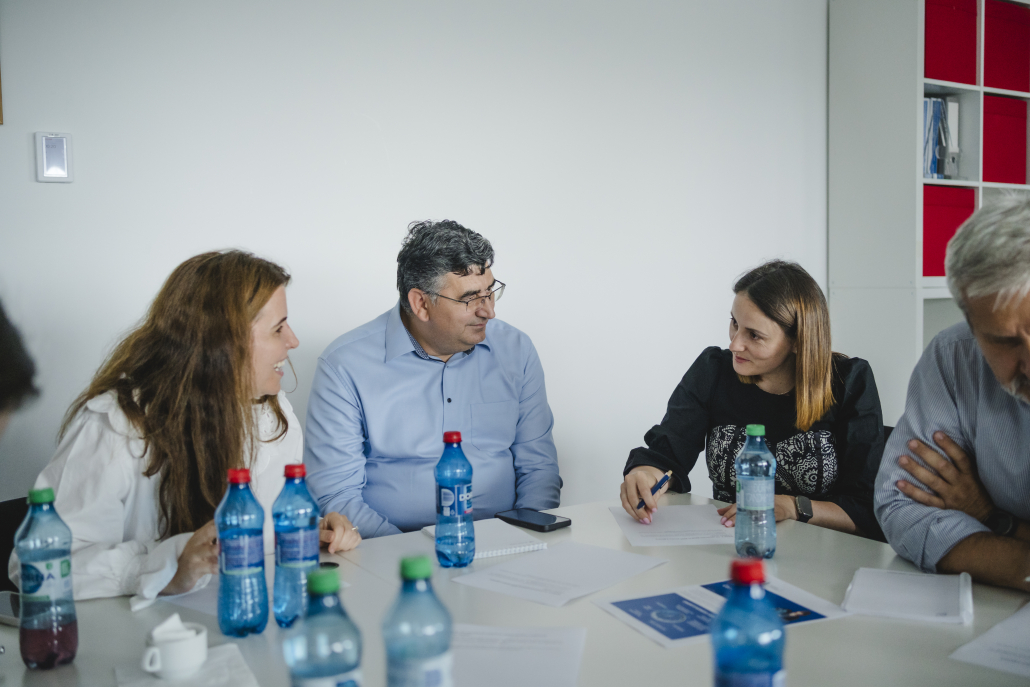
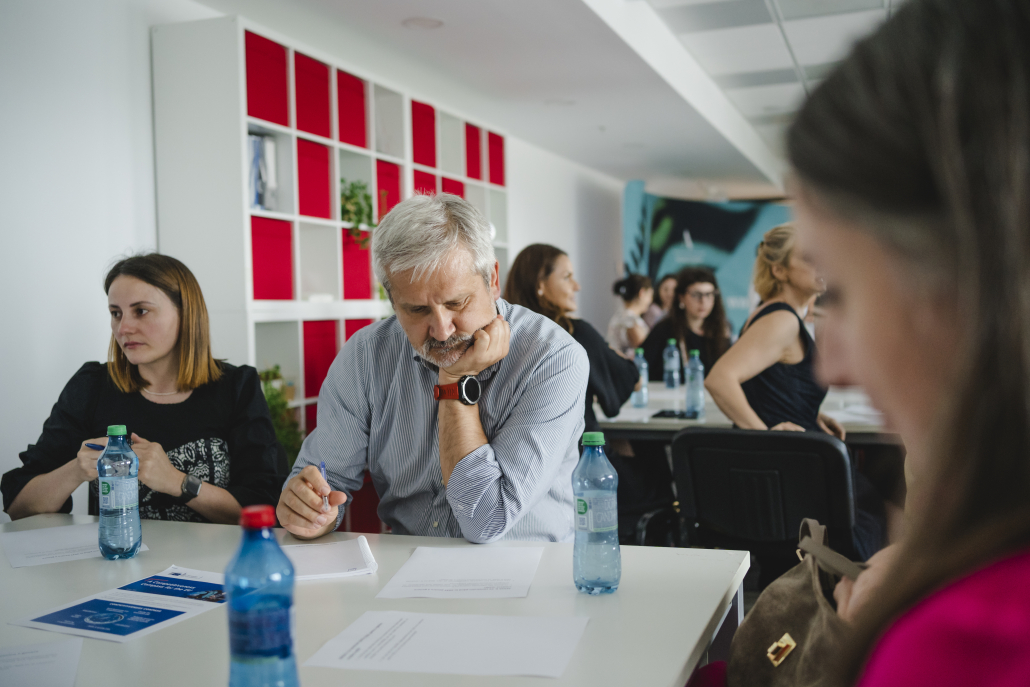
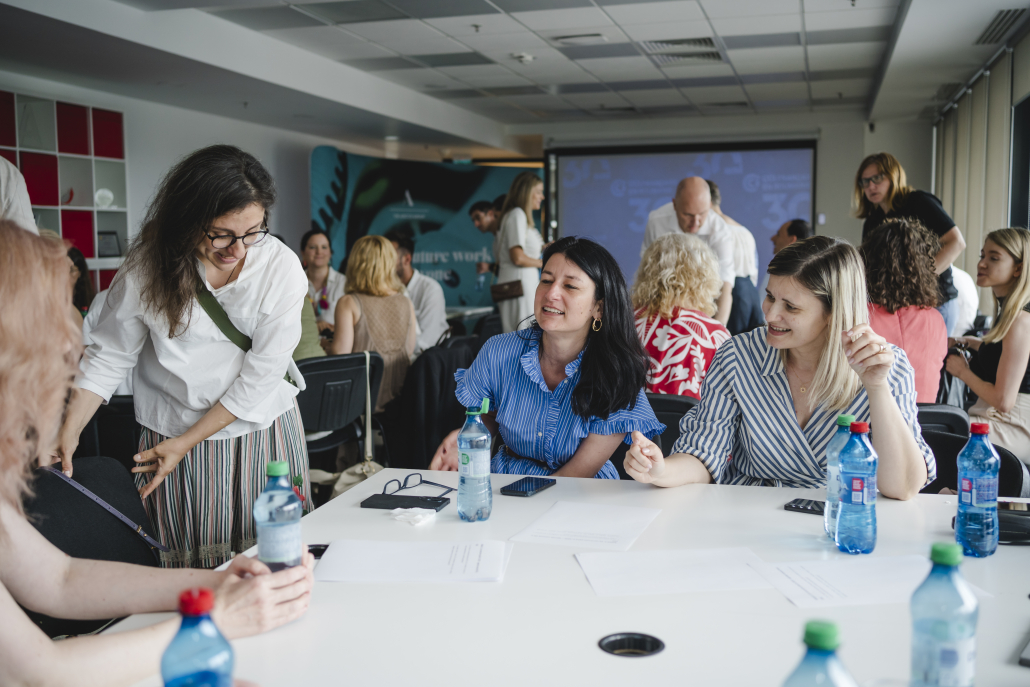
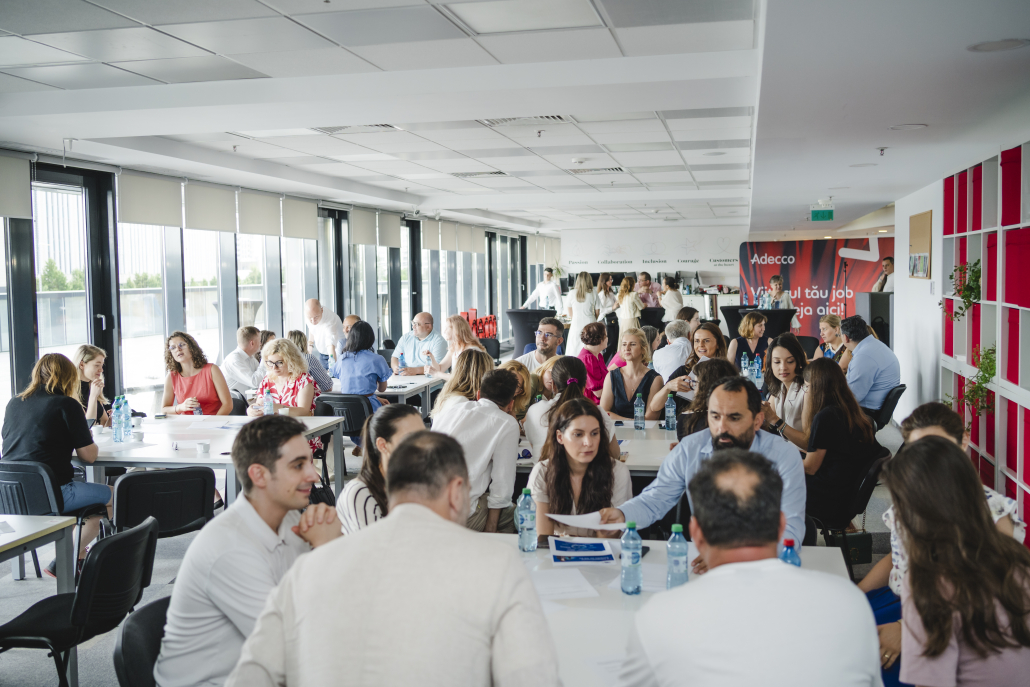
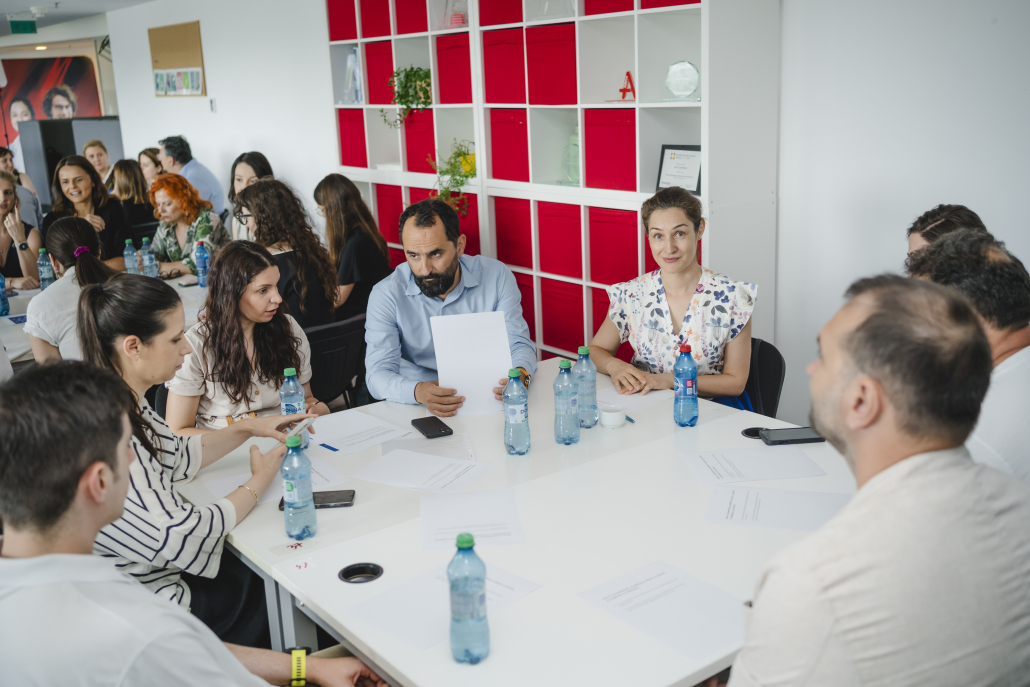
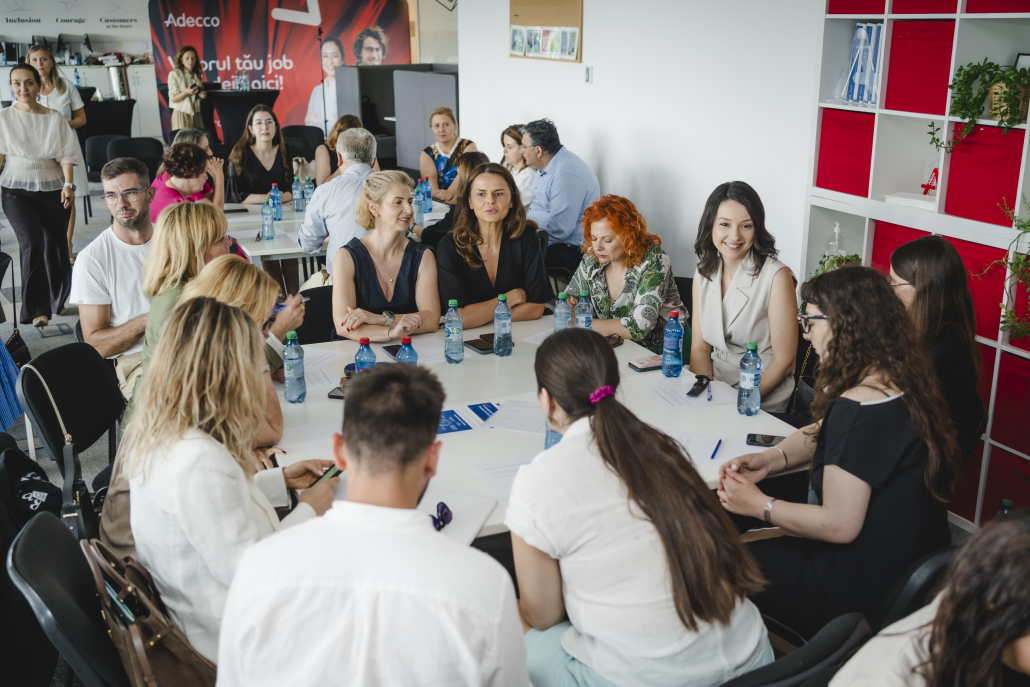
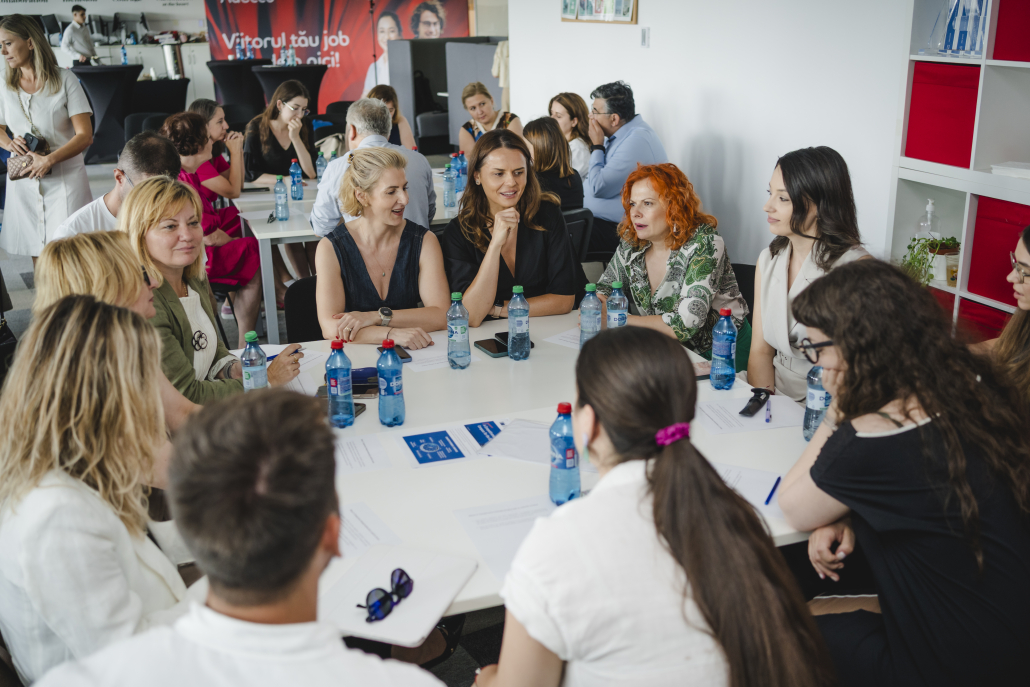
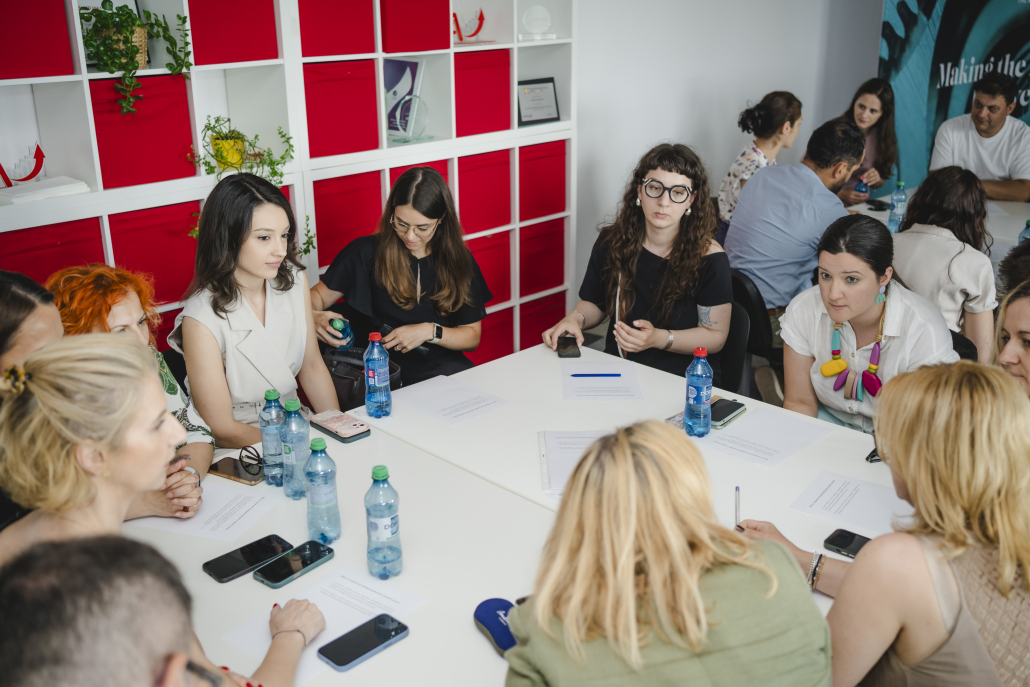
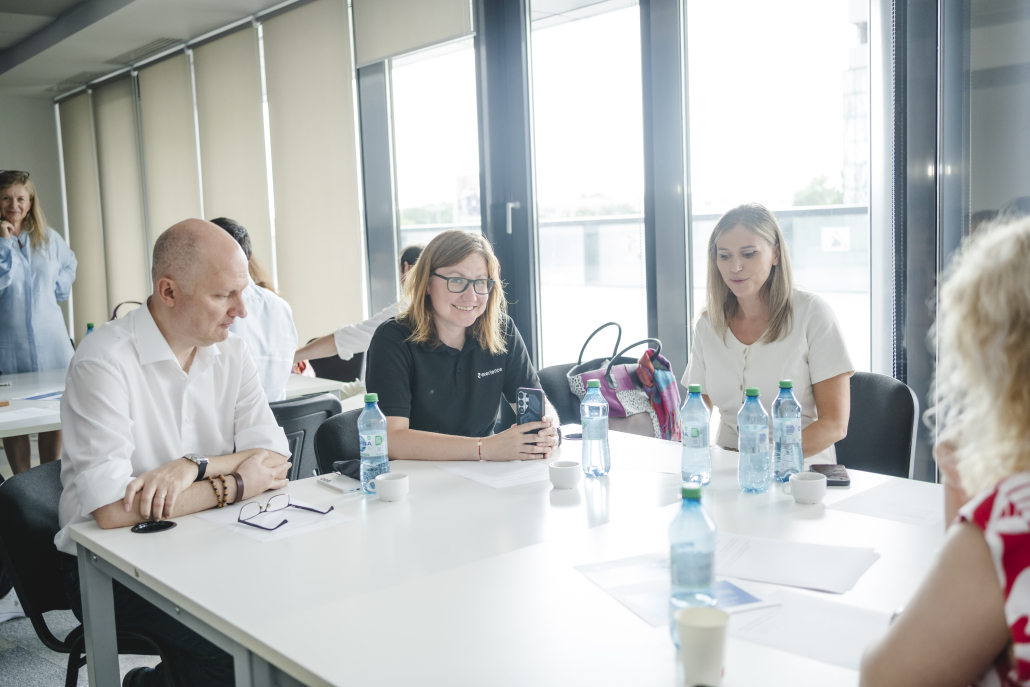
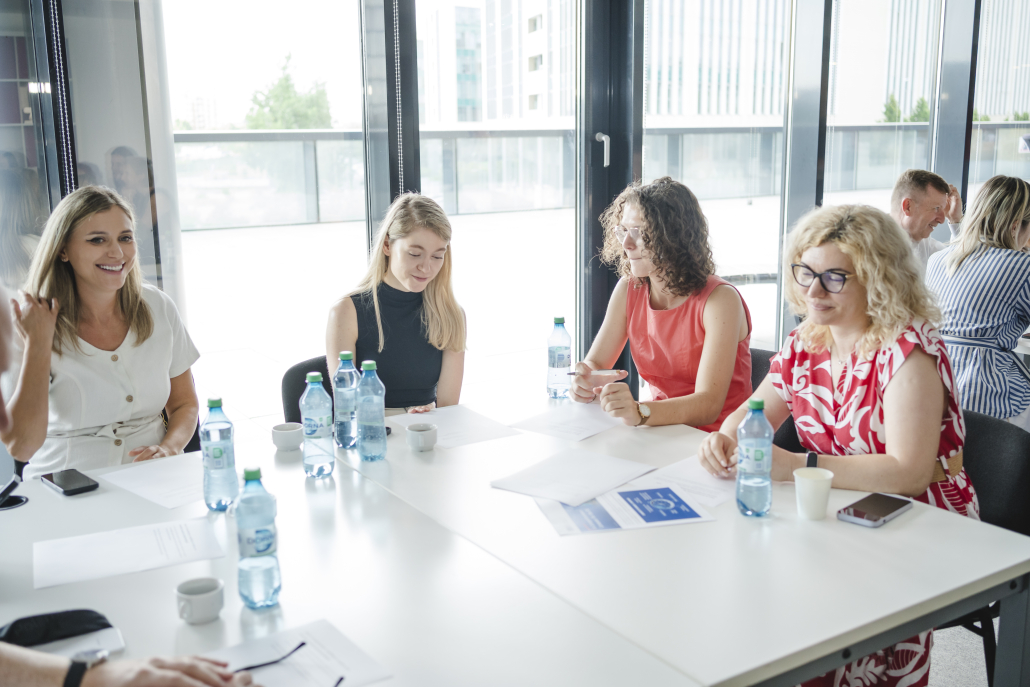
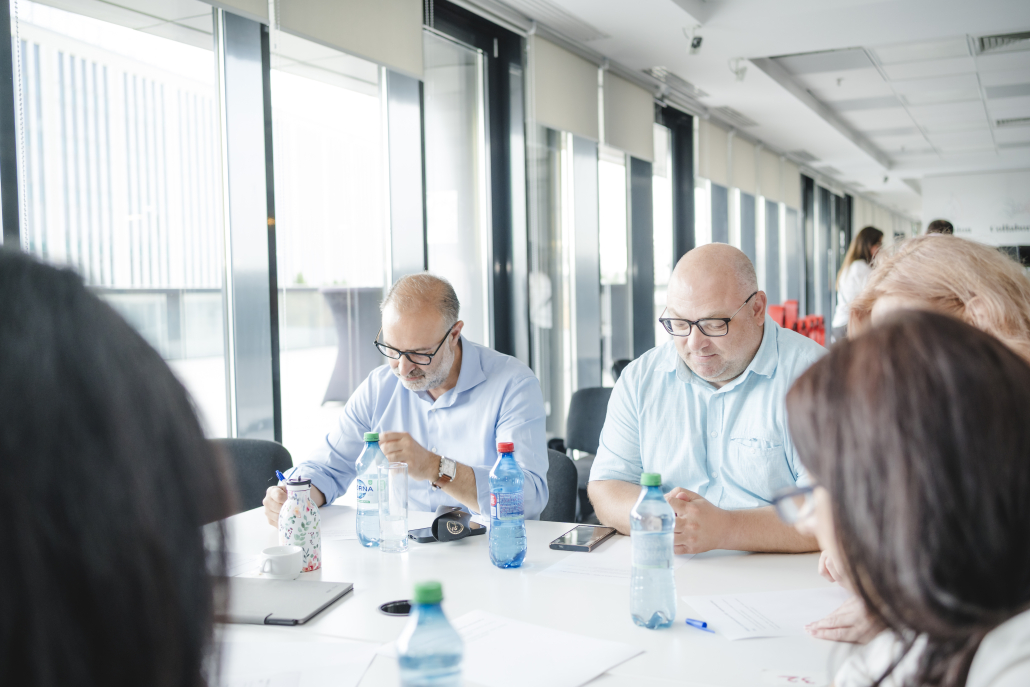
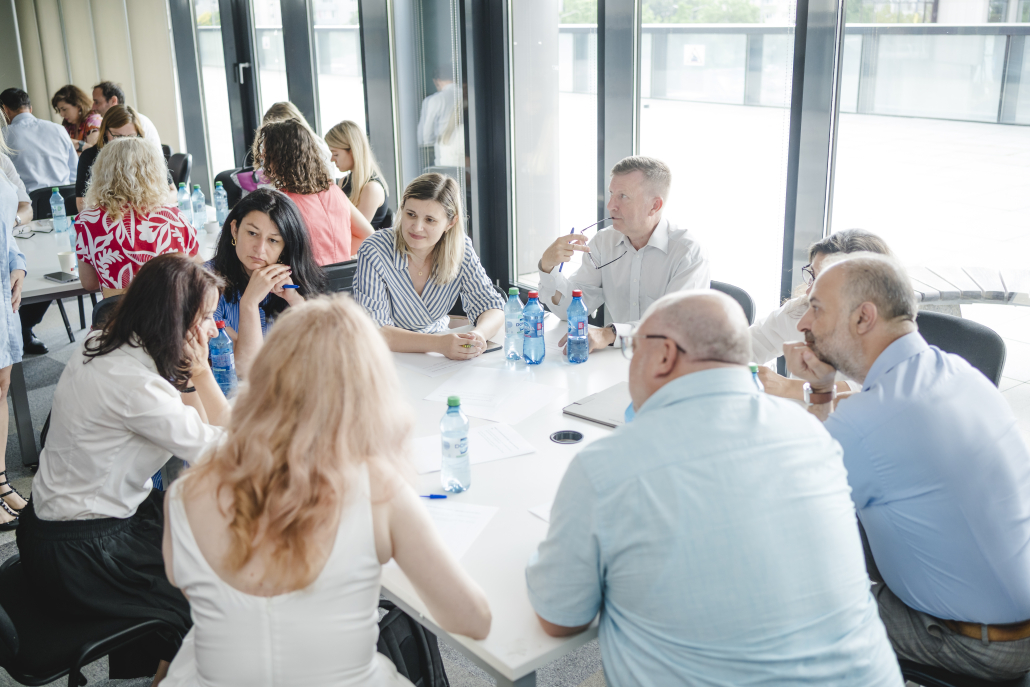
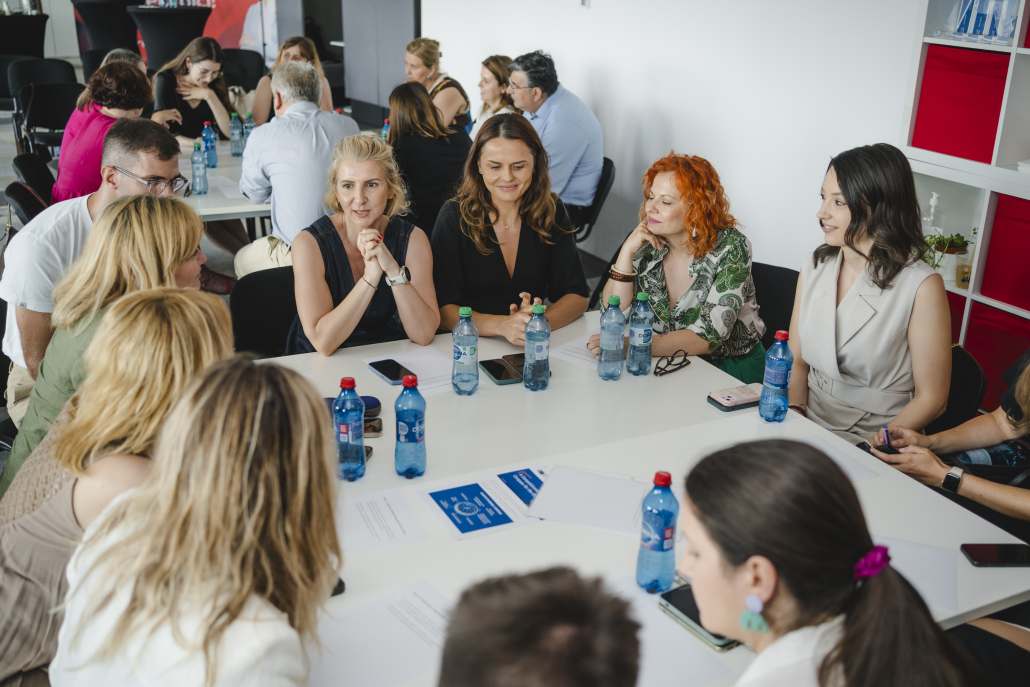
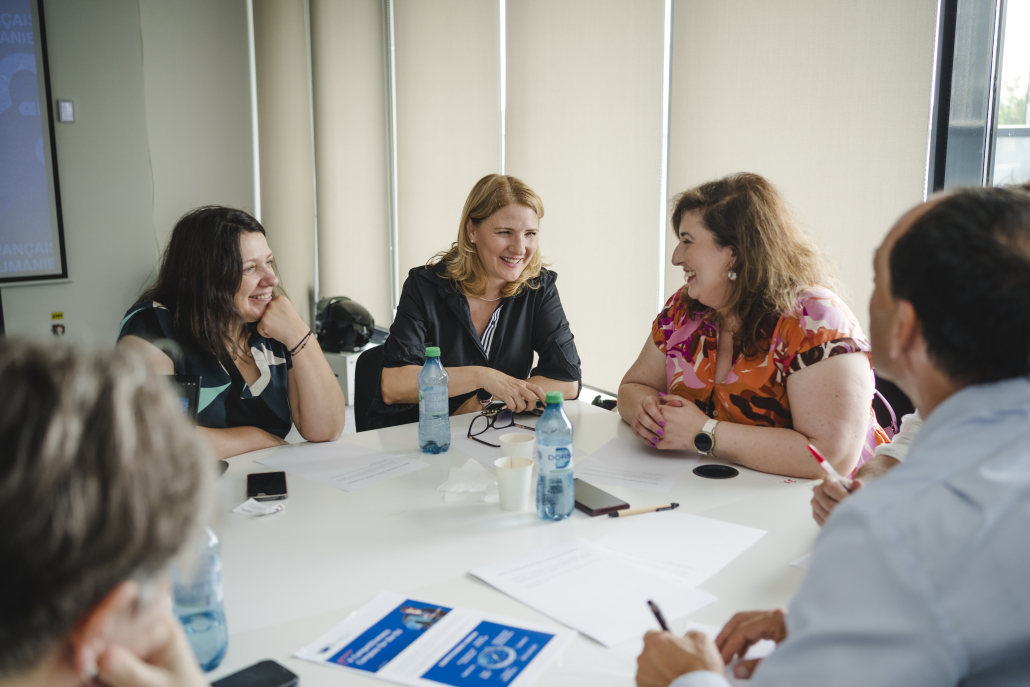
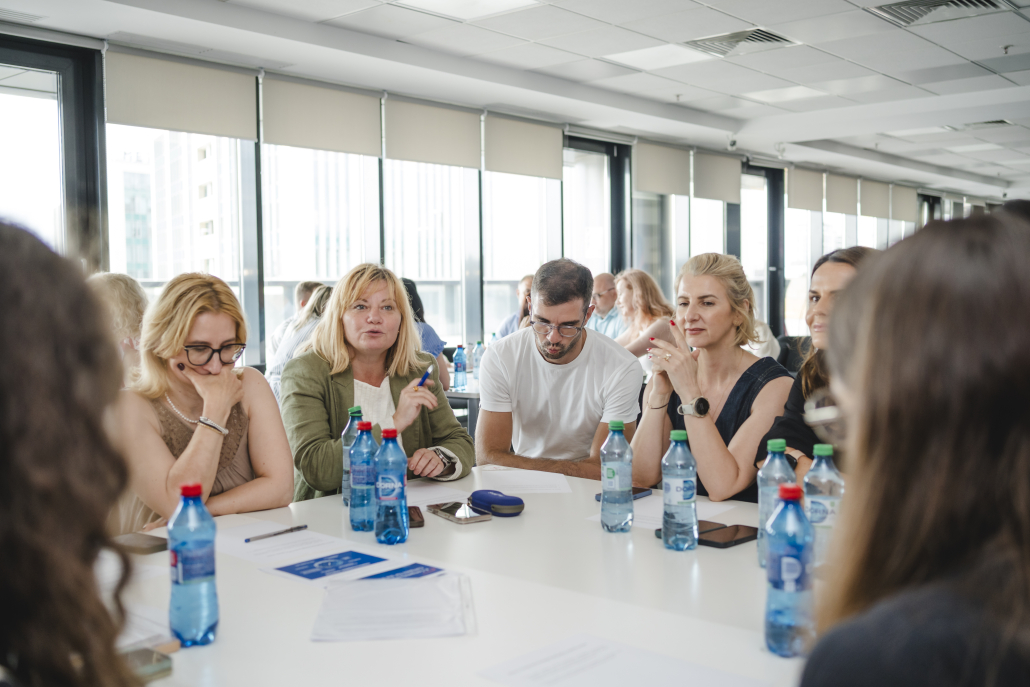
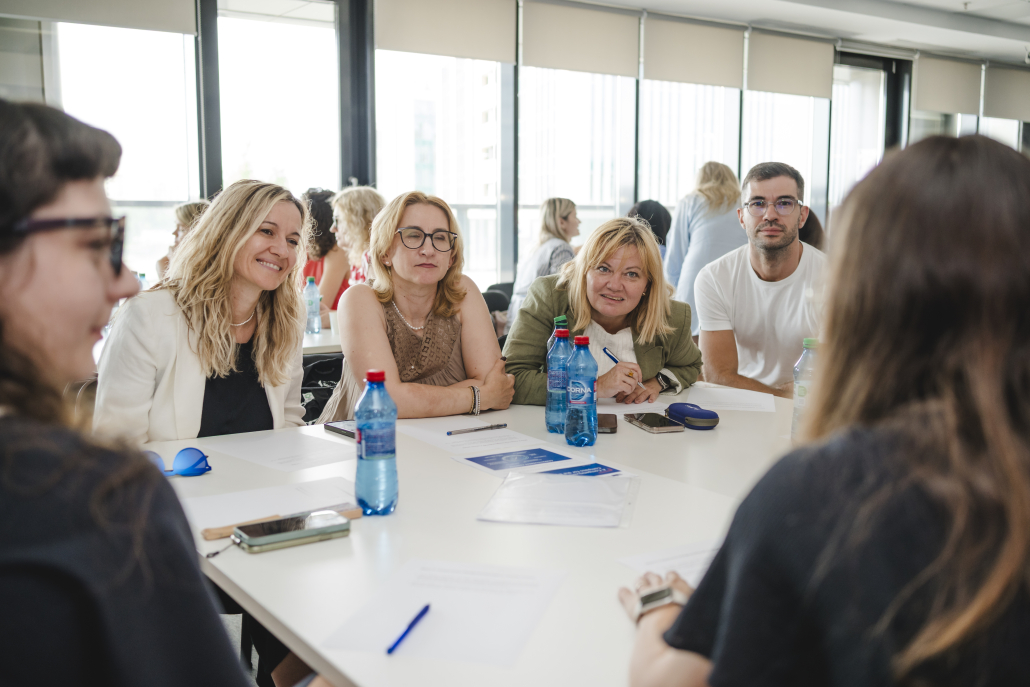
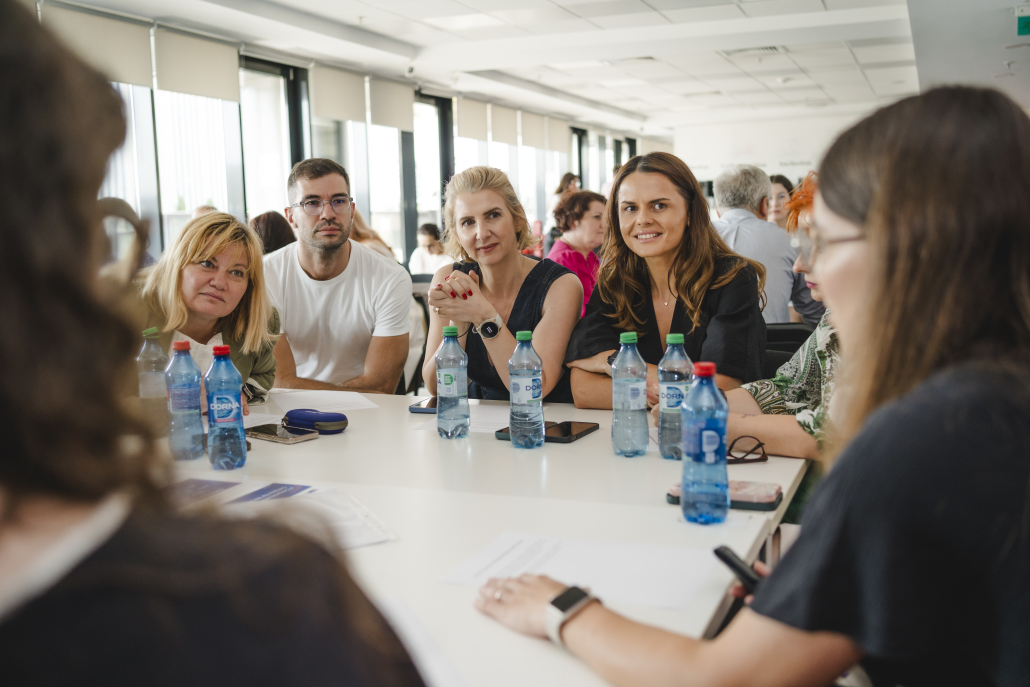
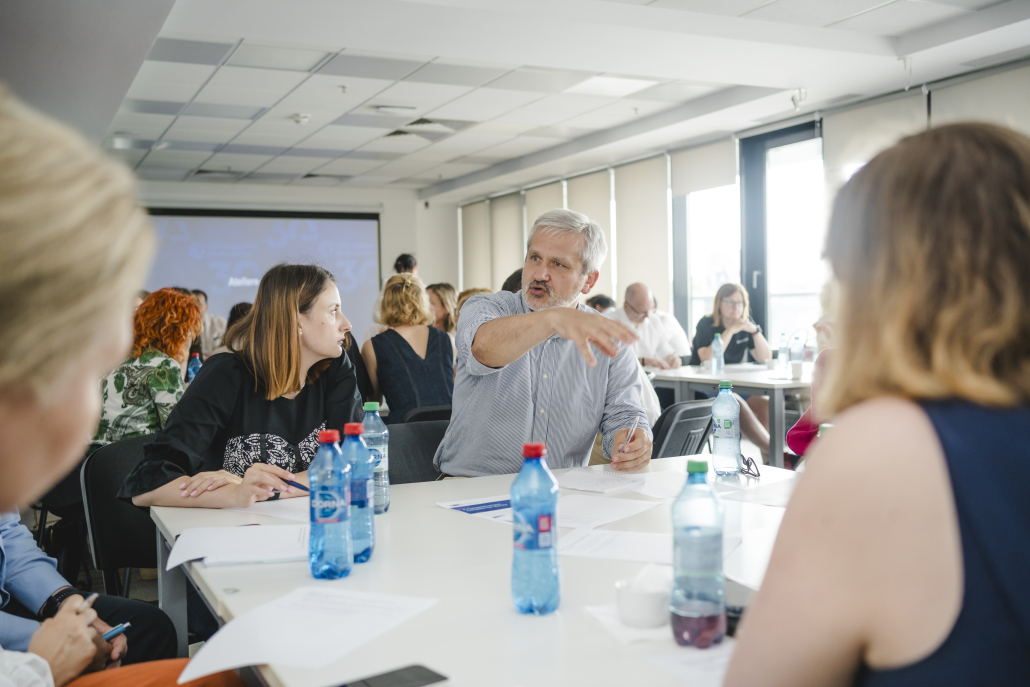
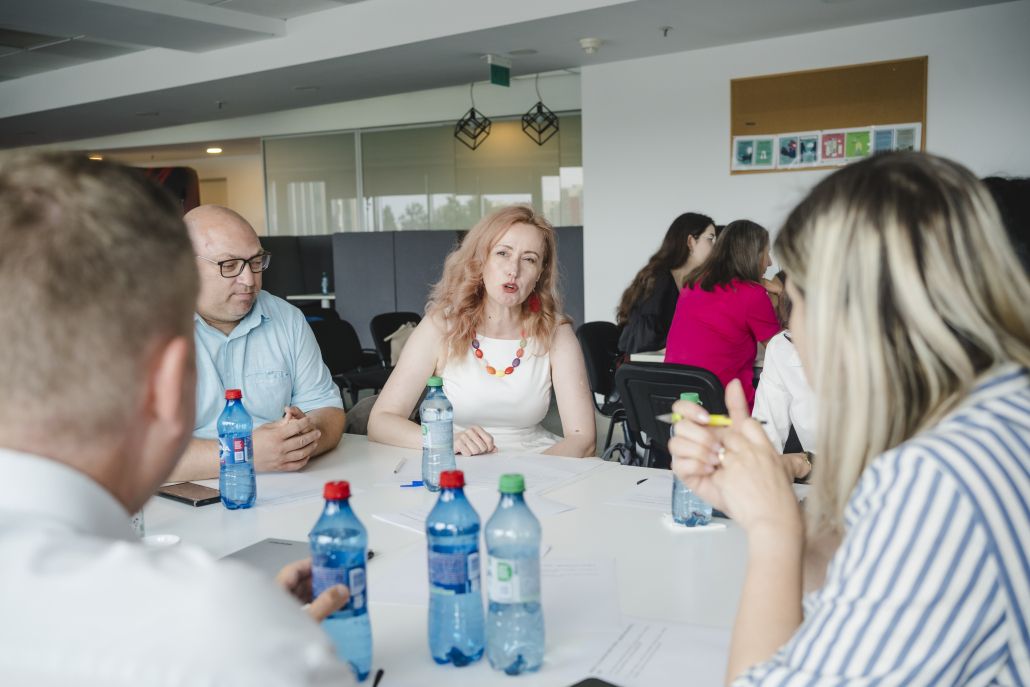
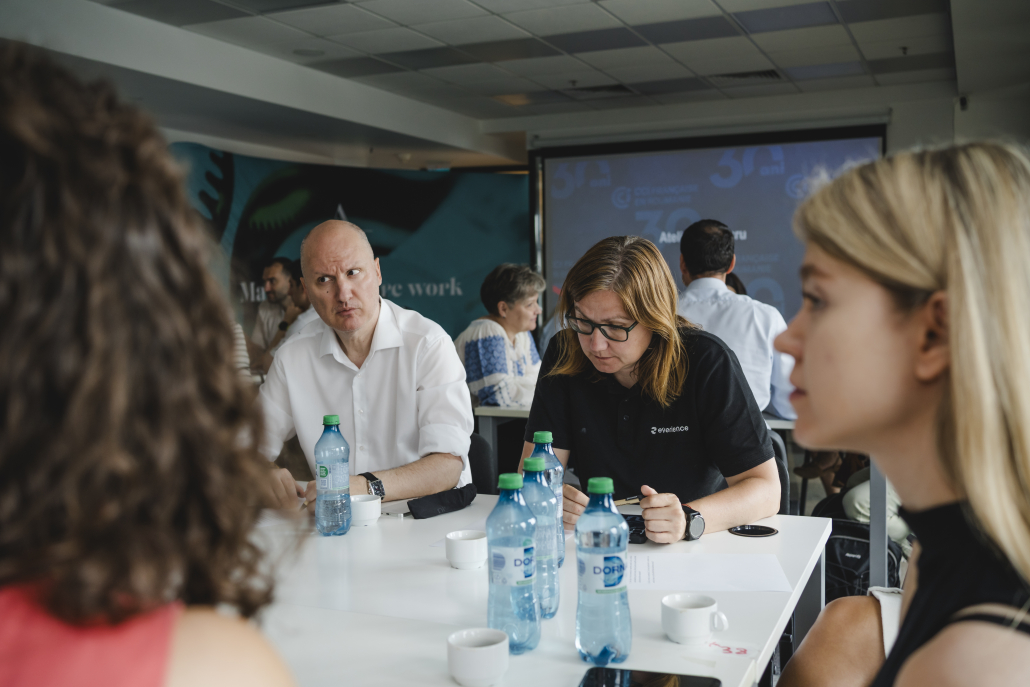
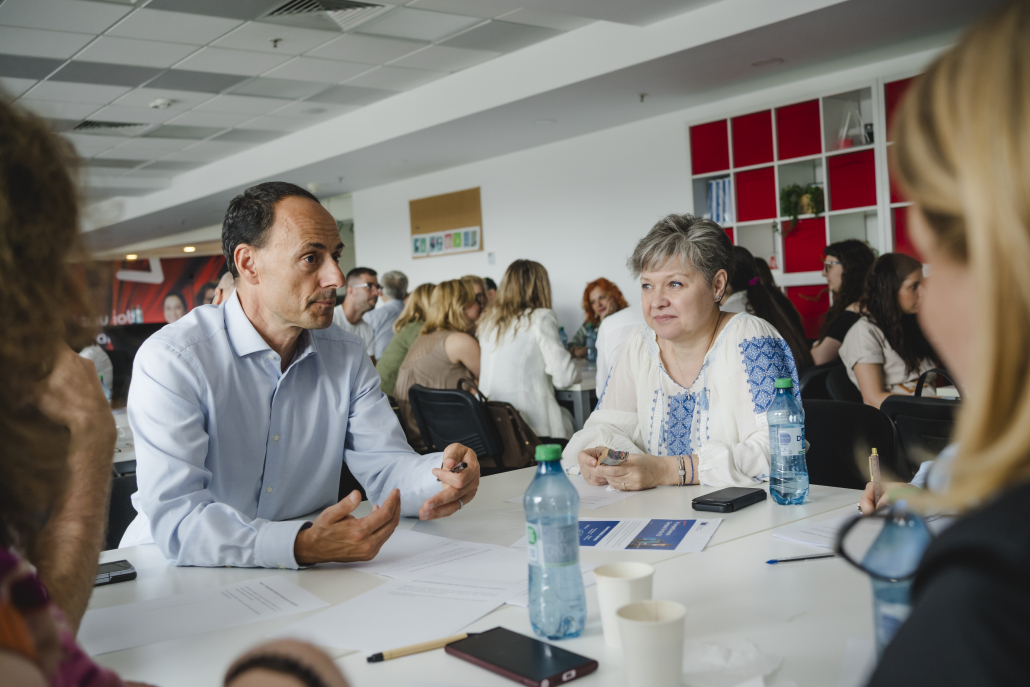
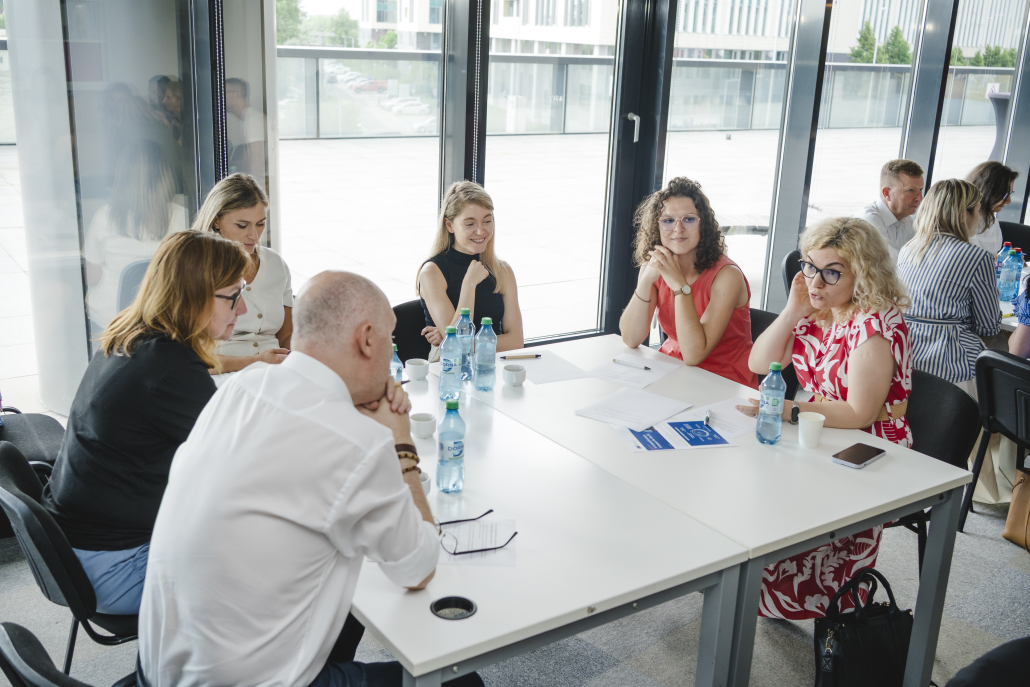
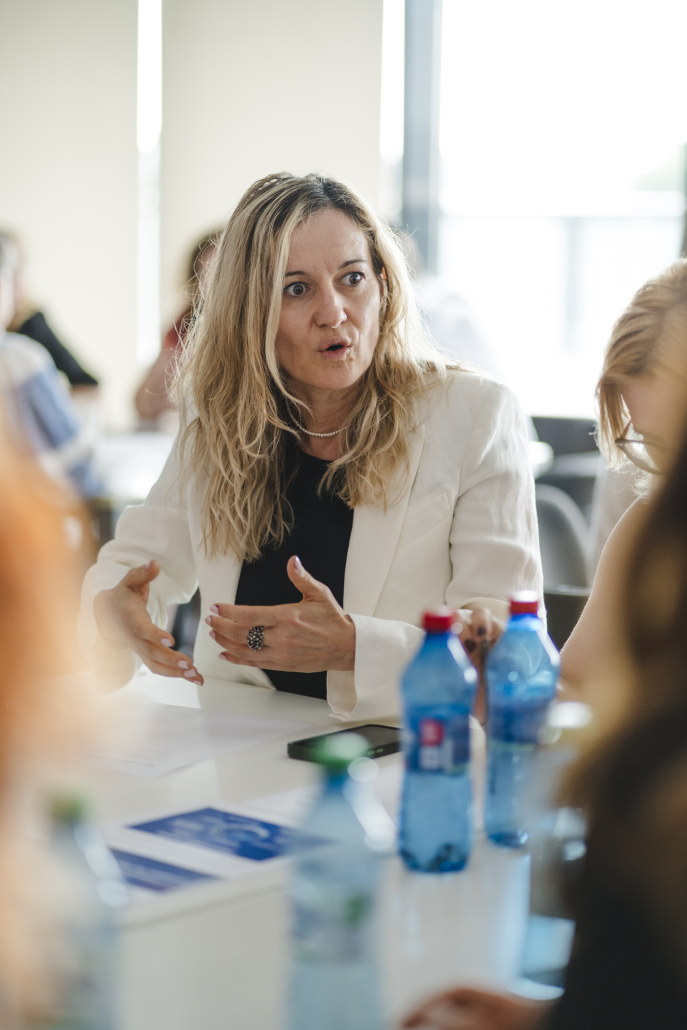
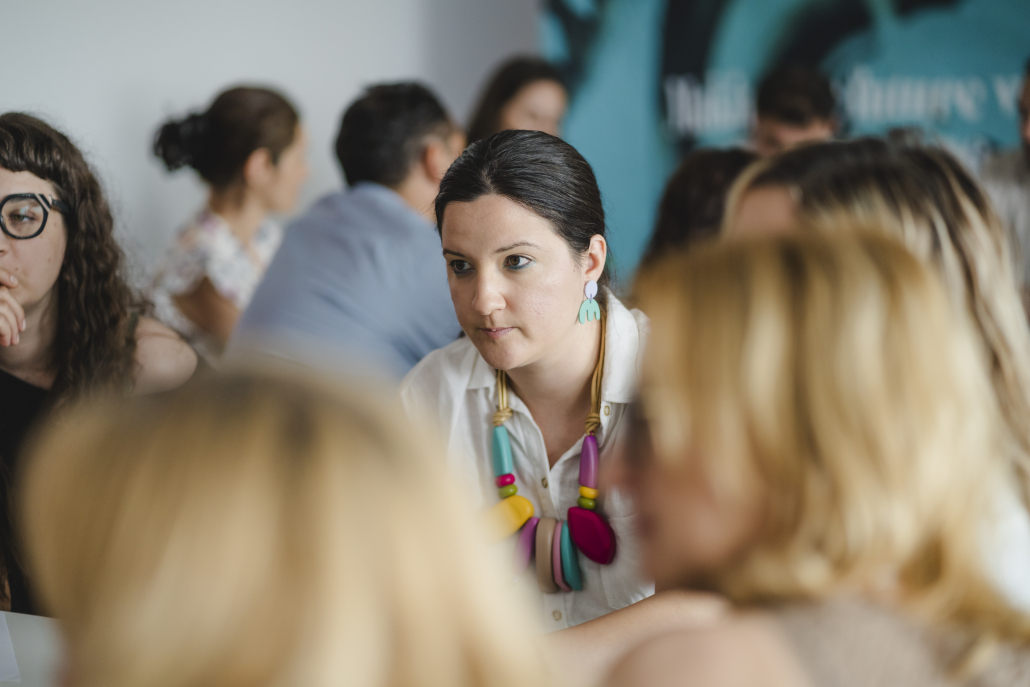
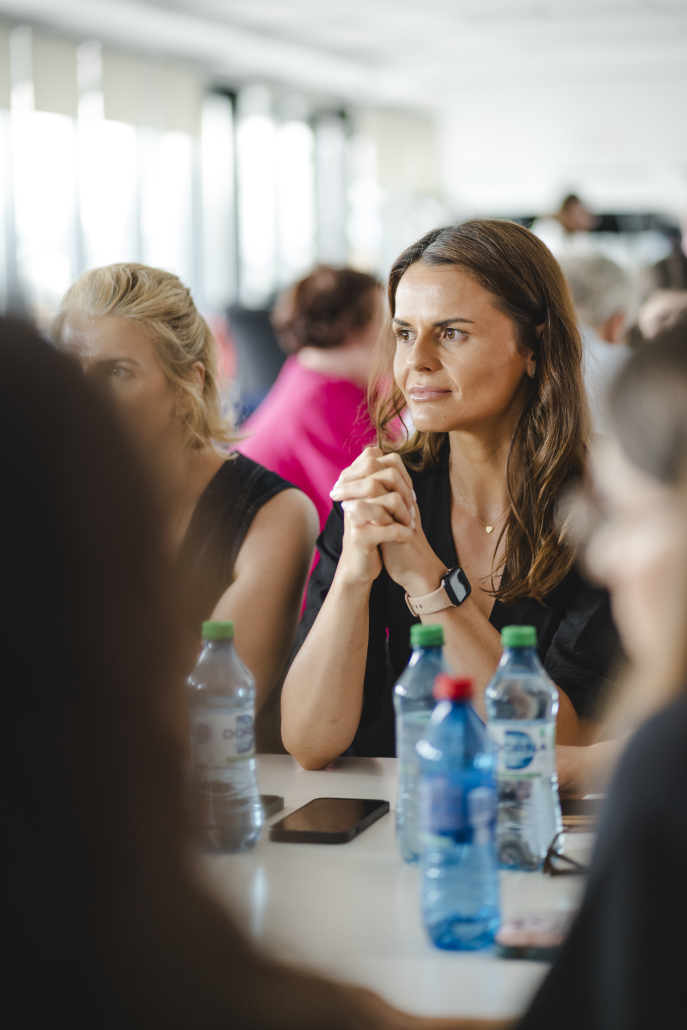
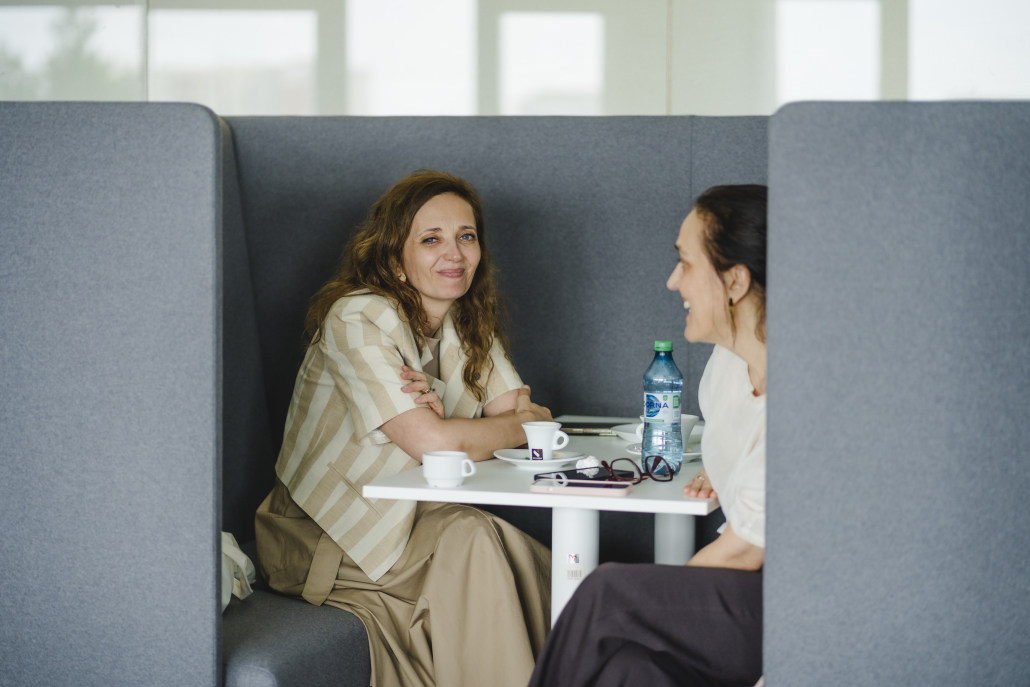
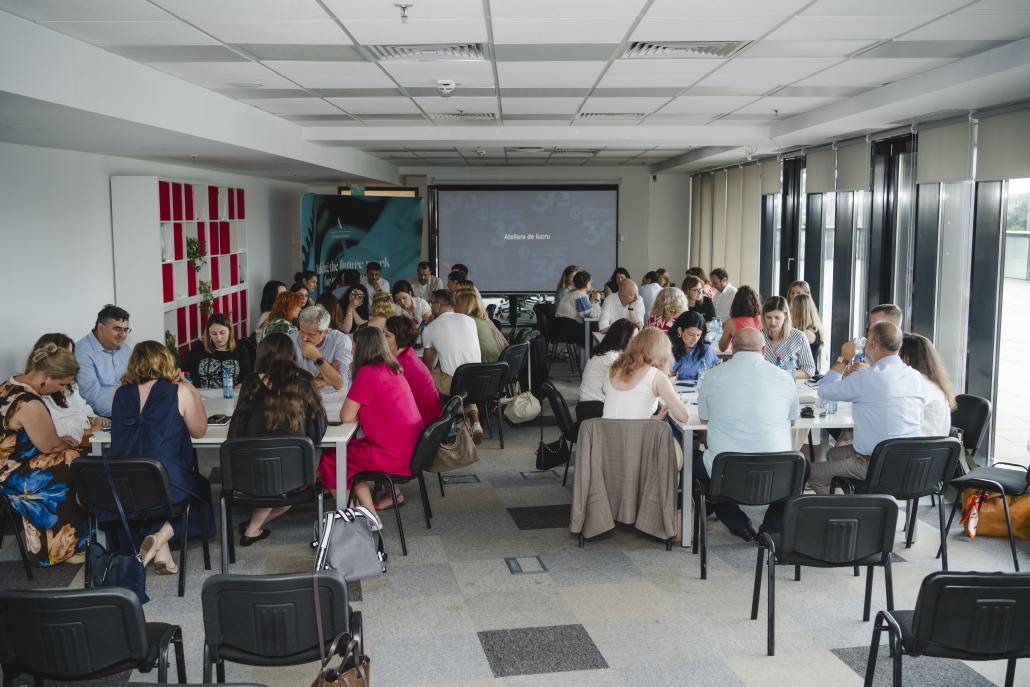
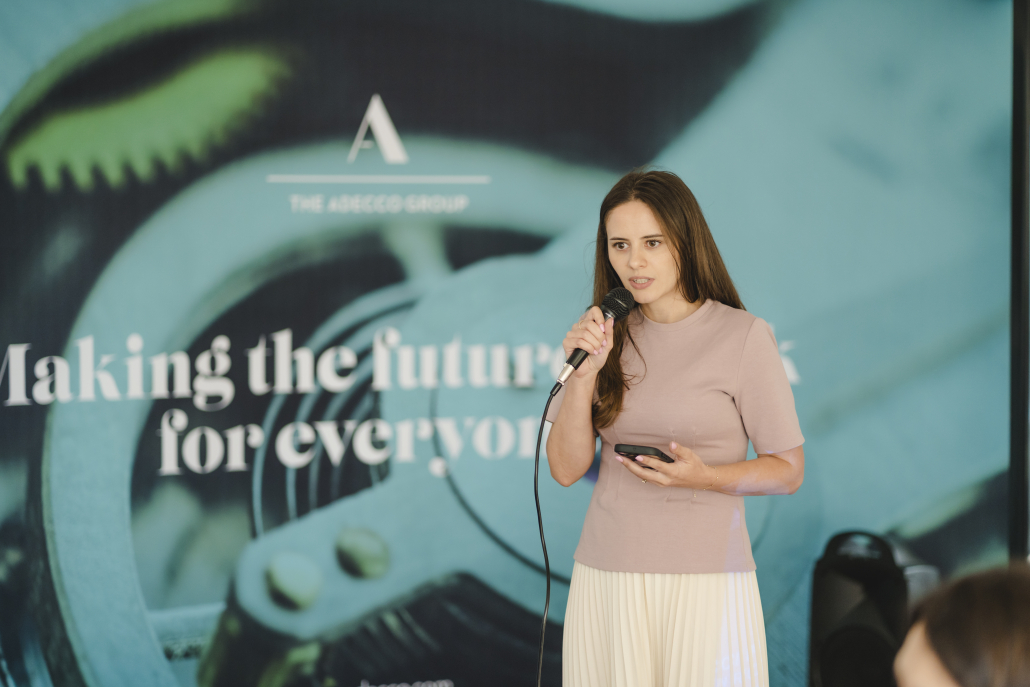
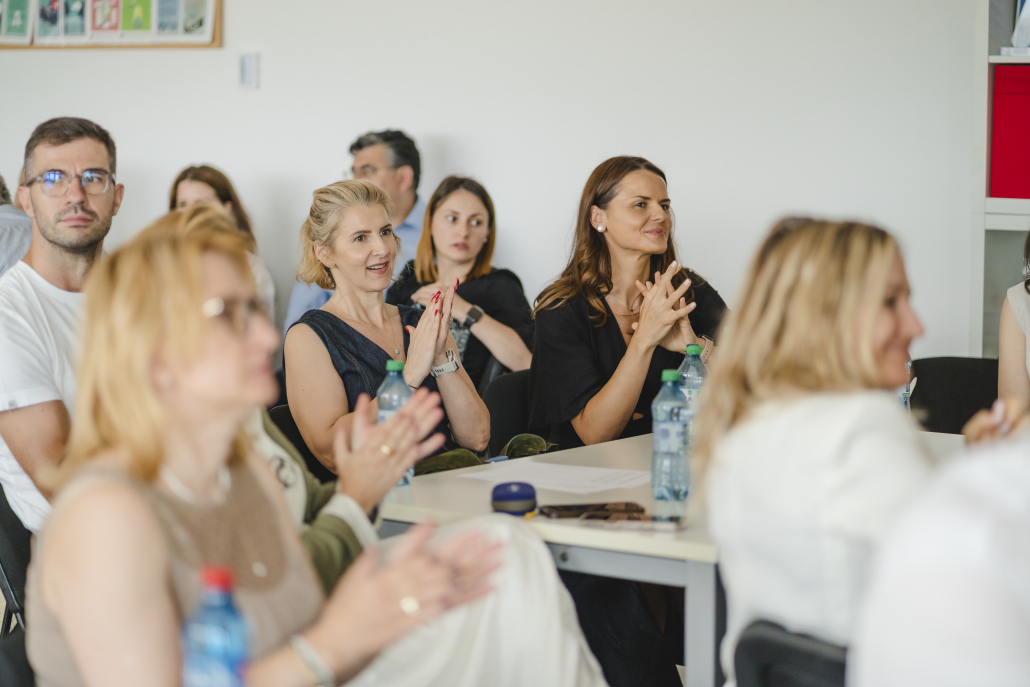
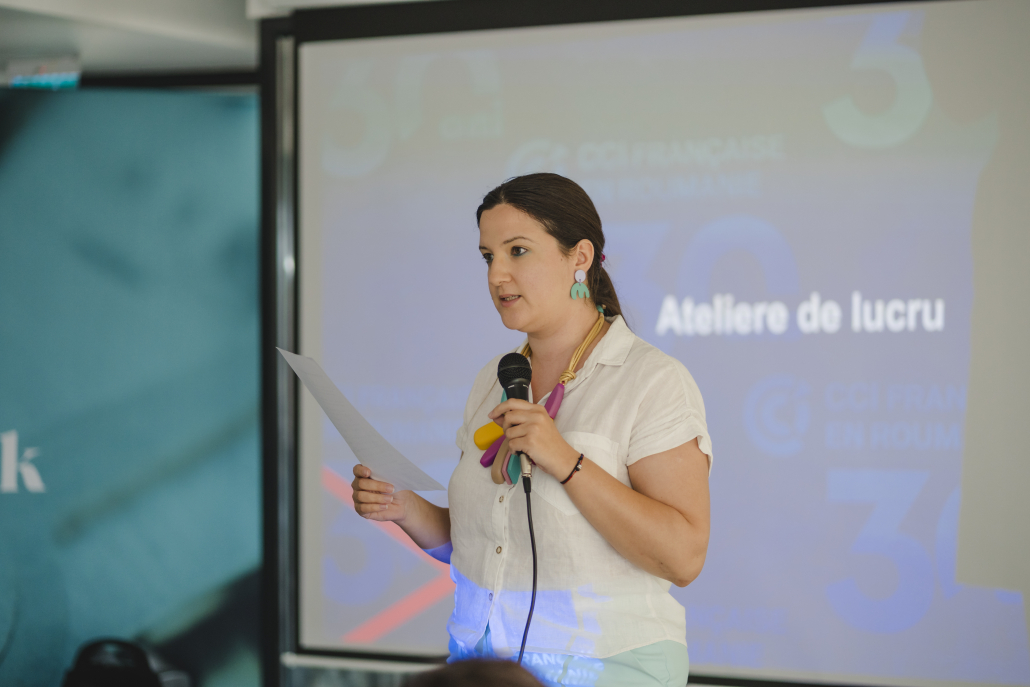
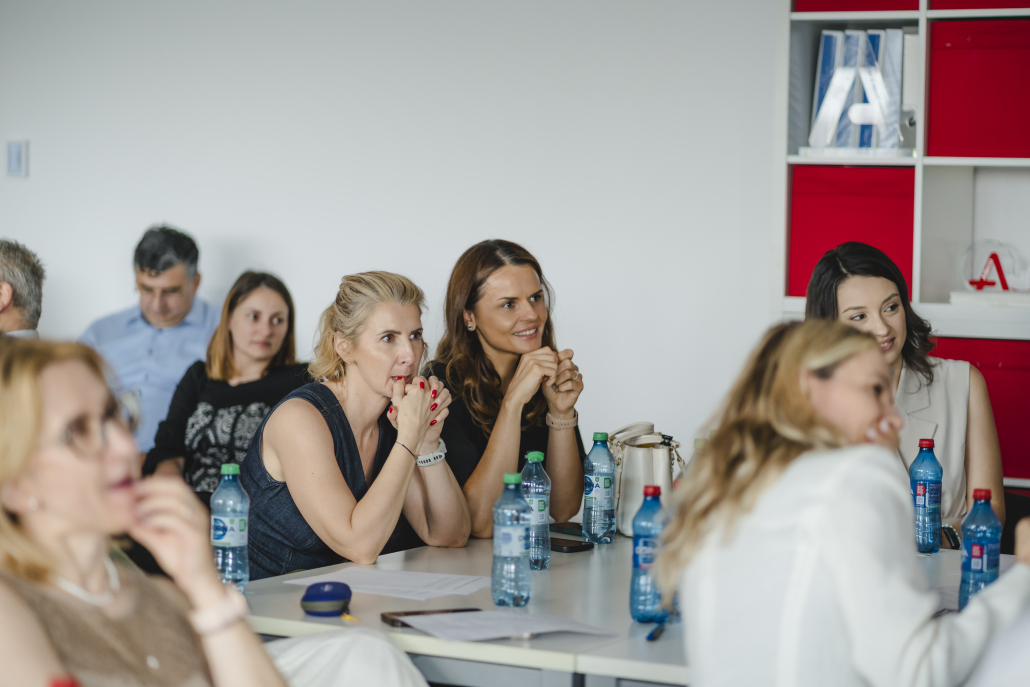
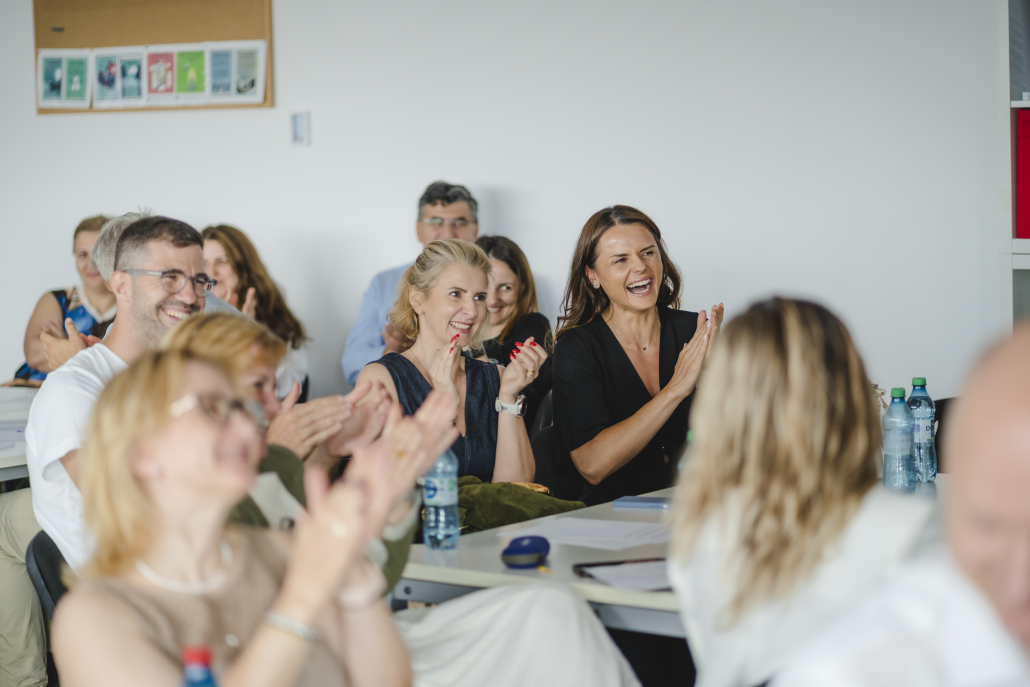
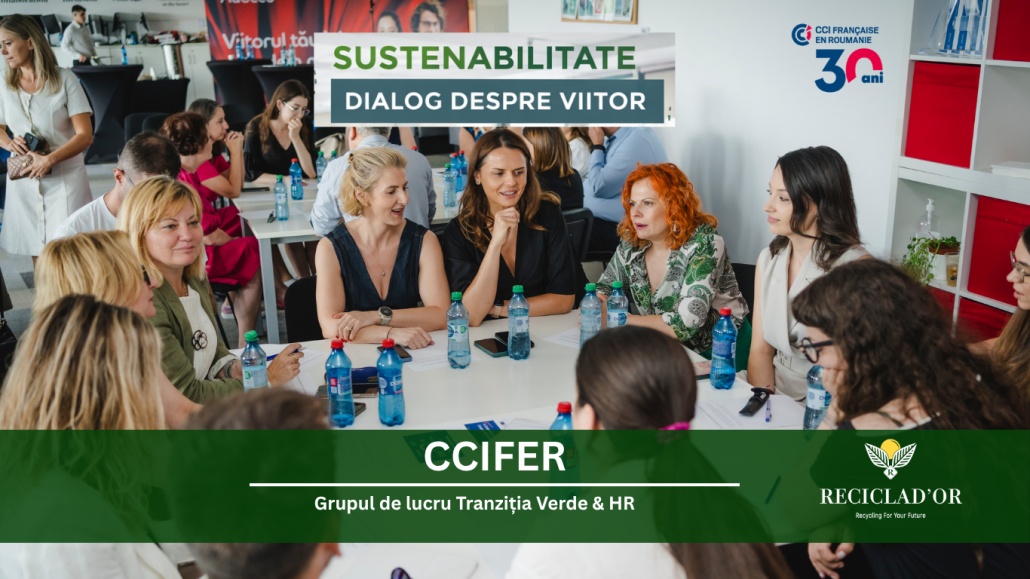
On June 25, 2026, I attended the meeting of the Green Transition & HR Working Group at CCIFER. The evening’s theme: People and sustainability: from compliance to commitment. Venue: Adecco Romania headquarters.
I didn’t attend an event to tick off in the calendar. I attended a conversation about what companies that will still matter in 2030 and beyond look like. And we had something to say.
Why the CCIFER Green Transition & HR Working Group matters
CCIFER working groups are not decorative panels. They are spaces for applied dialogue, where representatives from completely different industries put real problems on the table and look for practical answers.
The June 25 meeting brought to the forefront a tension that more and more organizations in Romania are feeling. The difference between doing sustainability because you’re obligated to and doing it because you’ve understood that otherwise you have no competitive future. Roxana Chiș and Radu Mavrodin, the leaders of the two groups, put it directly: ESG reporting and legislative compliance are the starting point, not the finish line.
This is a distinction we know well at Reciclad’OR. We built the company on it.
Reciclad’OR and the circular economy: the same principle, applied differently
Reciclad’OR operates in the OIREP sector, a field where the conversation about green transition is not abstract, but translates into tonnes, material flows, infrastructure, and the daily behaviors of partner companies.
That’s precisely why our presence at the CCIFER Green Transition & HR Working Group is not an image move for us. It’s a natural extension of how we operate: in dialogue, in networks, alongside actors from different sectors who understand that the circular economy is not a niche — it’s the direction the entire economy is moving.
Sustainability as a mechanism for organizational transformation
One of the moments that left the deepest impression on us at the meeting was the presentation by ESG expert Mihai Toader-Pasti. He proposed a phased transformation model — from analysis and planning to implementation and optimization — built around essential questions that any organization should ask itself before launching sustainability initiatives.
What resonated with us in this approach is its radical simplicity: it doesn’t start from good intentions, but from real resources, clear objectives, and the honest ability to measure progress. What is not measured cannot be improved. A rule we also apply ourselves, from collection indicators to the environmental impact of each partnership.
Talent gets recycled. It’s not a metaphor — it’s a business model.
One of the evening’s workshops raised a provocative question: what would happen if we applied the logic of the circular economy to human capital management? If talent were not consumed, but regenerated?
The working group’s conclusion was that, in the economy of the future, skills don’t disappear with a job — they must be transferred, recontextualized, and reactivated in new roles and contexts. Losing a key person from an organization means more than a vacant position: it means losing informal “shortcuts,” relationships, and know-how that appears in no written procedure.
At Reciclad’OR, the principle that nothing is lost, everything transforms we applied to materials. We are applying it increasingly consciously to people too, and the debate within the CCIFER Green Transition & HR Working Group gave us more courage to move in this direction.
HR and ESG: no longer separate departments
A conclusion that emerged, almost simultaneously, at multiple working tables at the event was this: sustainability and human resources strategy can no longer be treated as parallel domains. The joint HR–ESG agenda is no longer a future option — it’s a present necessity.
Organizations that will build real competitiveness by 2035 are those that integrate green thinking into decisions about people: how they recruit, train, retain, transfer knowledge, and manage change. Not as separate departments with separate objectives, but as a single strategy with double impact.
From Reciclad’OR’s perspective, this convergence is welcome. Our private sector partners who already treat sustainability as a strategic priority — not as a reporting obligation — are also the ones with whom we build long-term relationships, not one-off contracts.
Three capabilities organizations cannot afford to miss by 2030
At one of the CCIFER meeting’s workshops, participants identified three critical organizational capabilities that, if not built in the coming years, can no longer be recovered:
- Data analysis and integration capability — including the intelligent use of artificial intelligence as an efficiency tool, not as a replacement for human judgment.
- Critical thinking and discernment — essential in an information-saturated landscape, where the volume of data grows much faster than the capacity to interpret it correctly.
- The human dimension and adaptability — the flexibility to continuously transform oneself, to remain curious and open in the face of change, even when everything around seems unstable.
For a company in the environmental and recycling sector, all three sound familiar. European regulations in our field change year after year. Processing technologies evolve rapidly. The behaviors of waste-generating companies are transforming under the pressure of increasingly complex requirements. Those who survive and grow in this landscape are not the largest, but the most adaptable.
Collaboration between organizations — the only logic that works long-term
A common thread through the discussions on the evening of June 25 was that real solutions to major challenges — green transition, talent management, organizational resilience — don’t come from a single company, however well-intentioned. They come from networks. From collaborative ecosystems where different actors bring different perspectives and build together what none could build alone.
This logic is central to the Reciclad’OR model. We exist as a network node: we connect waste generators with processors, we connect the intention to recycle with the infrastructure that makes recycling possible, we connect the legal obligation with voluntary and conscious behavior. Without collaboration, the flow breaks. With collaboration, things circulate — exactly as resources should circulate in a healthy economy.
What we take home from the CCIFER Green Transition & HR Working Group meeting
We left with more questions than answers, which, in our opinion, is the best sign that a meeting was worth attending.
How do we accelerate knowledge transfer within our own teams? How do we turn sustainable behaviors from conscious practices into reflexes? How do we measure the costs we don’t yet see in any report, but which affect real competitiveness? How do we build, alongside our partners, an ecosystem where sustainability is not an external requirement, but an internal choice?
We don’t have all the answers. But we know we’re looking for them in the right places — among people who ask the same questions and who understand that real change is built slowly, with consistency, without shortcuts.
Or, to put it in the terms most familiar to us: exactly the way a circular economy is built.
Reciclad’OR is the partner for companies that want to treat environmental responsibility not as an obligation, but as a real competitive advantage.
Want to find out what that looks like in the context of your business? Contact us.
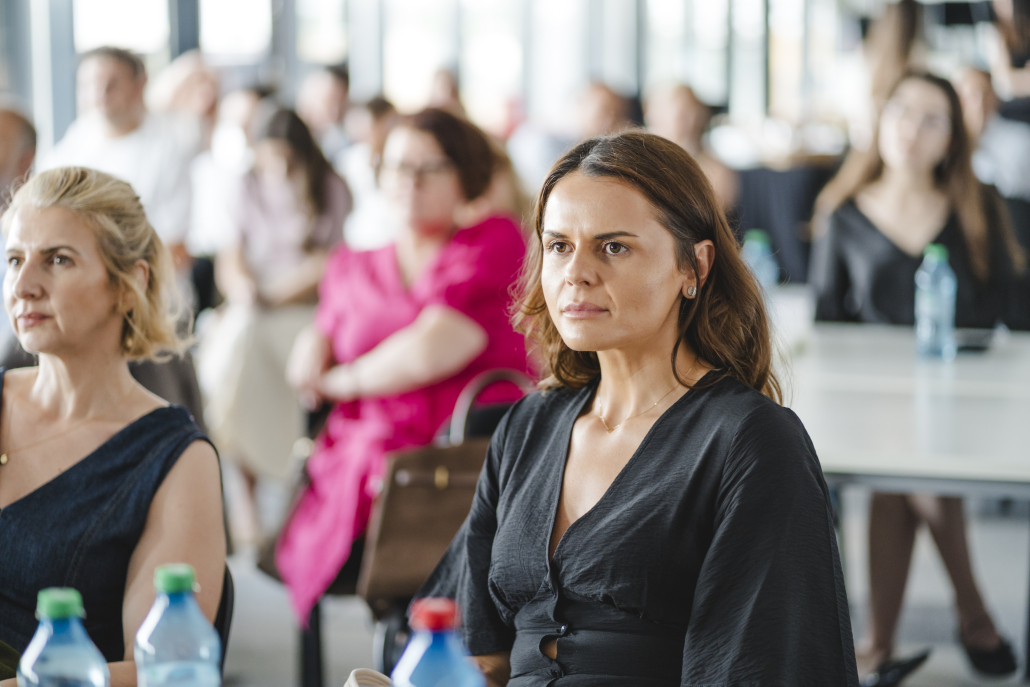
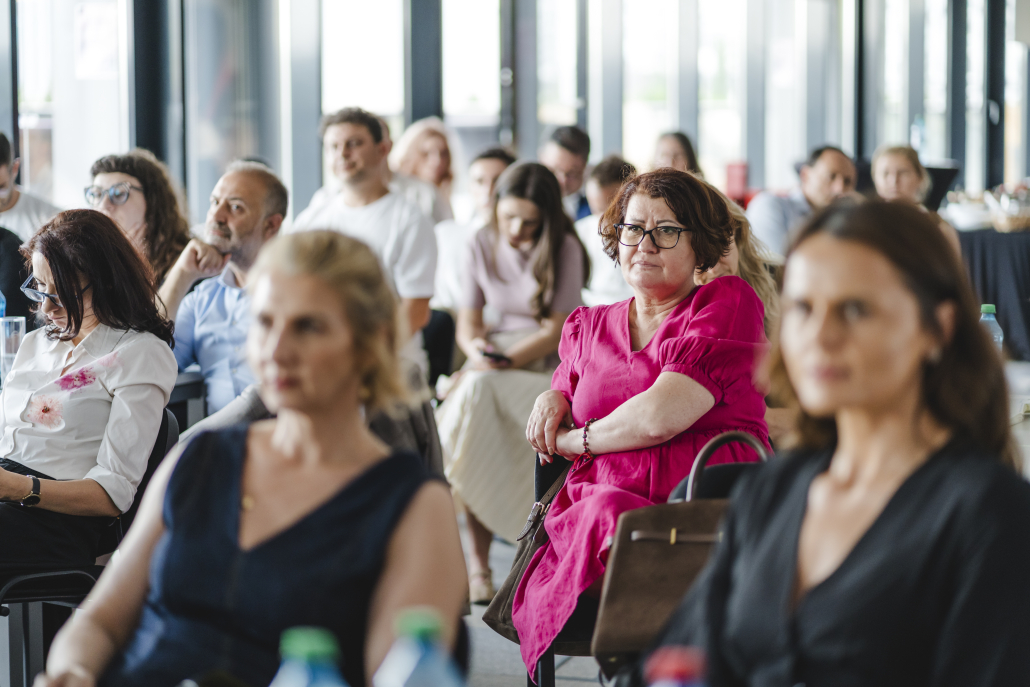
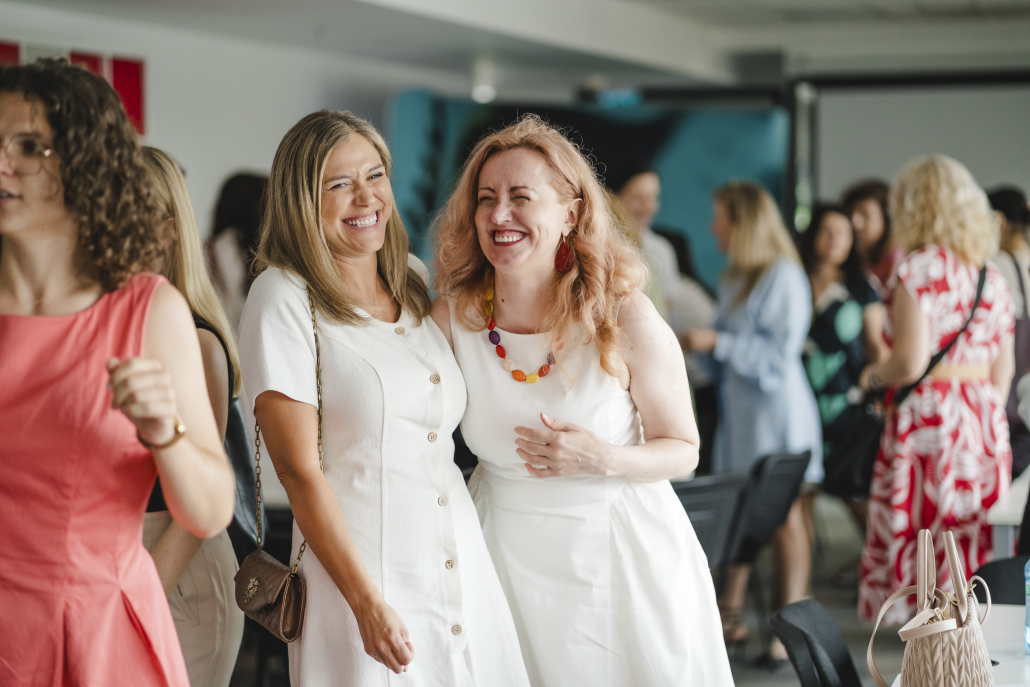
Photo gallery – Photo Credit Adecco – Gabriel Balas